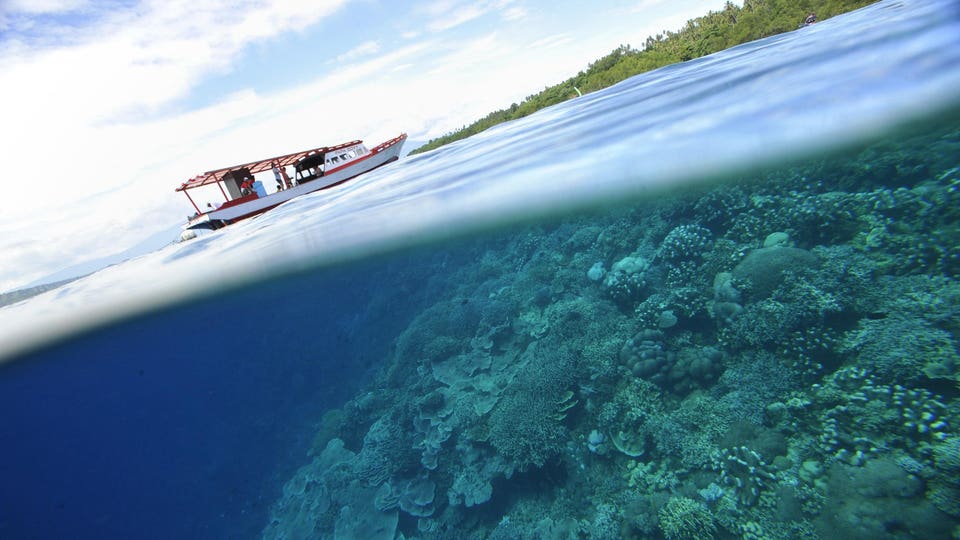







The ocean is the largest biosphere on the planet, but also the least understood. It connects continents and poles, transports nutrients around the world, feeds millions of people, and absorbs excess heat and carbon. However, much of its biodiversity could disappear before we even have a chance to learn about it.
“There is an urgent need to understand ocean biodiversity and how climate change affects it,” explains Xavier Pochon, scientific lead at Citizens of the Sea, a New Zealand charity founded in 2024 by the Cawthron Institute and New Zealand Geographic. “We have extraordinary models that predict the future impacts of climate change, but they lack biological data collected in near real time at sea. We need to gather more information in remote areas.”
Environmental DNA technology—known as eDNA—has revolutionized the exploration and characterization of marine ecosystems in some of the most inaccessible regions of the ocean.
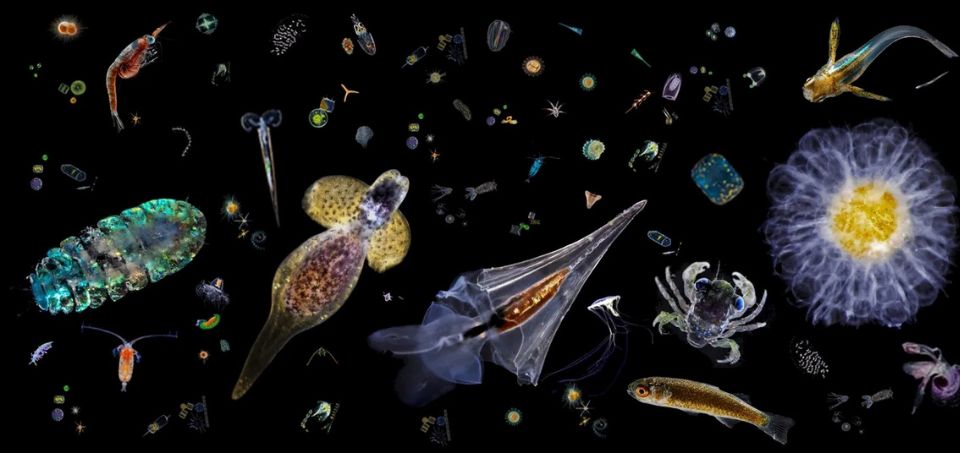
Traditional oceanographic research relies on direct observations or the physical capture of species, but every drop of seawater contains genetic signatures of ocean life: from invisible microorganisms and phytoplankton to the largest marine mammals that cross different ocean basins during their migrations. The DNA fragments present in the water function as a biological barcode capable of tracking the presence of marine plants and animals, explains Pochon.
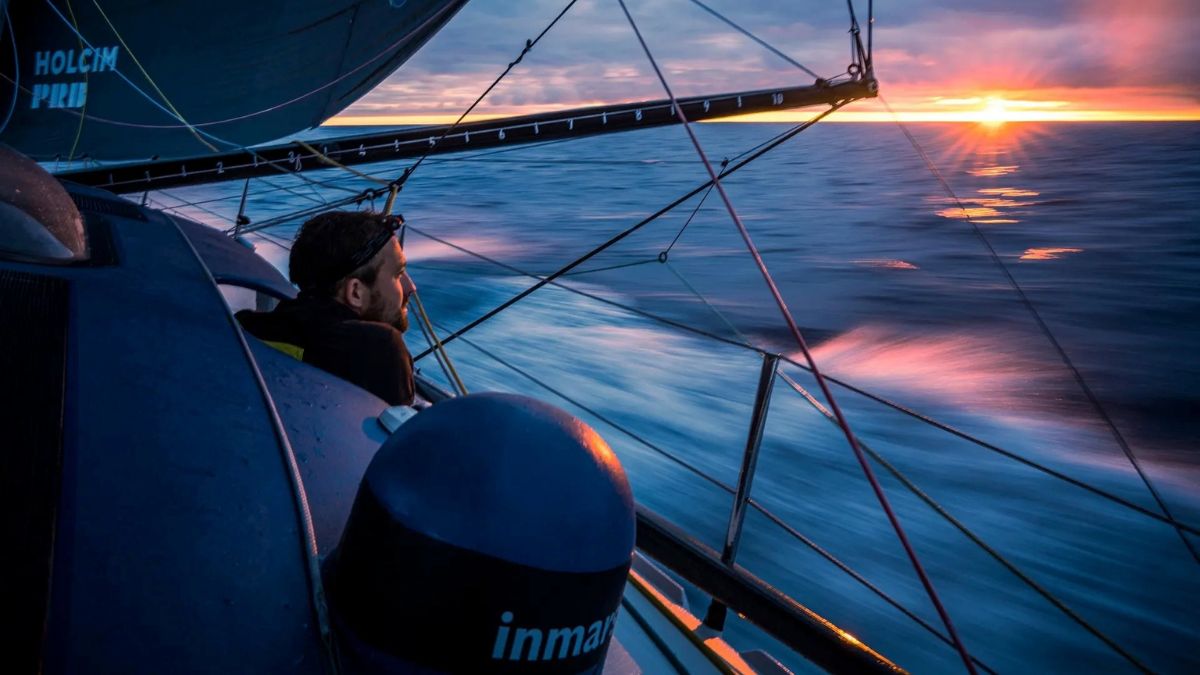
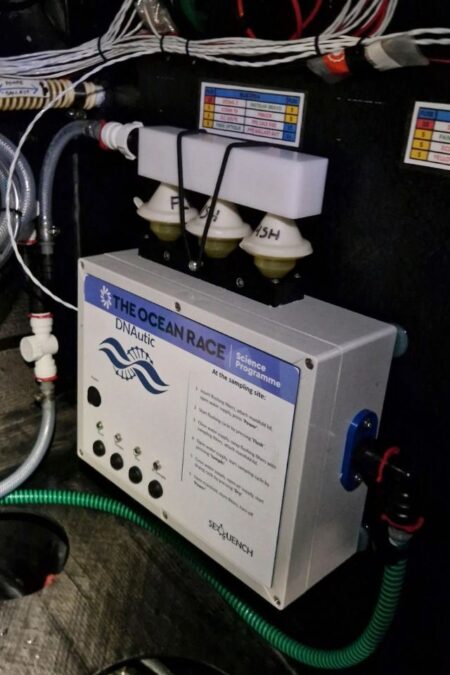
But this cutting-edge environmental DNA (eDNA) technology is just one part of an innovative scientific approach. The other involves using yachts and sailboats as data-collection platforms. Equipped with easy-to-use environmental DNA kits, they can collect samples along their sailing routes and help build a much more comprehensive picture of how life in the oceans is changing.
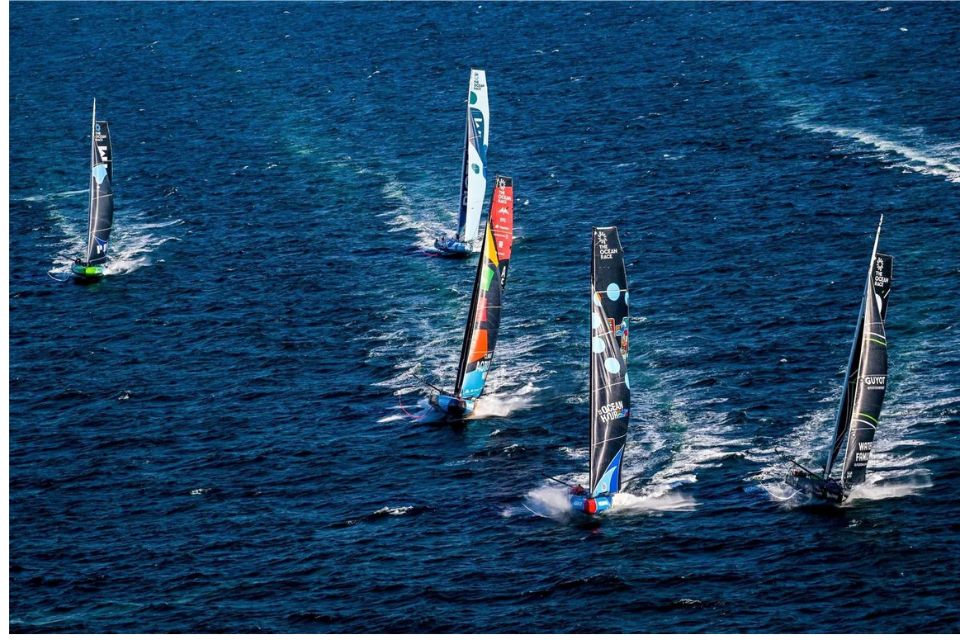
Pochon has received an enthusiastic response from recreational sailors who regularly traverse the southwestern Pacific and help map biodiversity during various ocean rallies. More recently, he has also installed environmental DNA sampling kits on some of the world’s fastest racing yachts, which compete in extreme endurance races.
With the recent renewed commitment from the Vendée Globe Foundation—a fund dedicated to oceanographic research linked to the famous solo, non-stop, unassisted round-the-world race—Pochon hopes to expand the project to include more vessels to help tell the story of an ocean in transition.
Commitment to ocean conservation
The connection between extreme sailing and science began in 2021 with Fabrice Amedeo, who was already using autonomous systems to collect data on salinity, temperature, carbon dioxide, and dissolved oxygen during his demanding solo and team races.
A former journalist and ocean enthusiast, Amedeo recalls deciding to combine the adventure of sailing with a strong commitment to the environment. It didn’t take much convincing for him to incorporate a prototype of the ADN environmental kit into his scientific protocol.
A year later, he set sail in the Route du Rhum, the 3,542-nautical-mile transatlantic race between Saint-Malo, France, and Pointe-à-Pitre in the Caribbean.
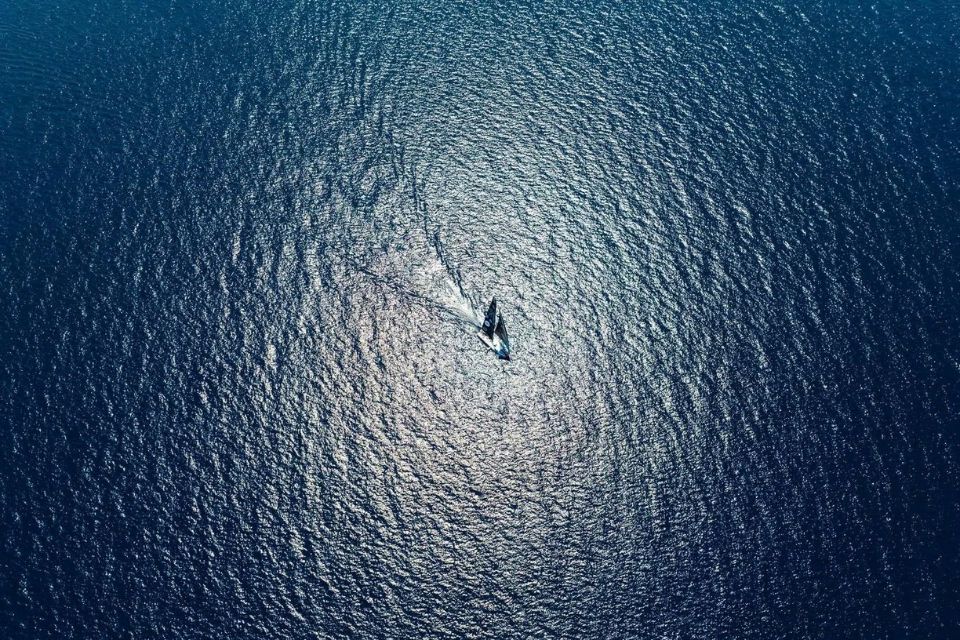
But nothing went according to plan. Four days into the race, an explosion damaged his boat and knocked out all the electronic systems. Two days later, a second explosion occurred, and Amedeo could only watch from the life raft as his boat sank into the ocean along with all the scientific equipment.
Far from being discouraged, this did not dampen either his passion for extreme ocean racing or his commitment to scientific research. In 2024, he sailed around the world in the Vendée Globe—a race that only about a hundred skippers have managed to complete—while collecting eDNA samples across all latitudes and oceans of the planet. In November, he will once again compete in the 2026 Route du Rhum with the latest version of the eDNA kit—the very same race in which he lost his boat and nearly lost his life.
Amedeo considers his racing sailboat a true “opportunity boat.”
“It’s not a research vessel,” he says. “It’s a racing yacht that sails routes that research ships can’t reach, giving scientists the opportunity to collect unprecedented data on the state of our oceans.”
He acknowledges that scientific engagement requires effort, but it is also fascinating. “These days, I find it hard to separate my work as a sailor from this commitment. And in the tough moments—because there are some—I tell myself I can’t give up because the scientists are counting on me. I’m on a mission, and in the end, this project gives me a tremendous amount of energy.”
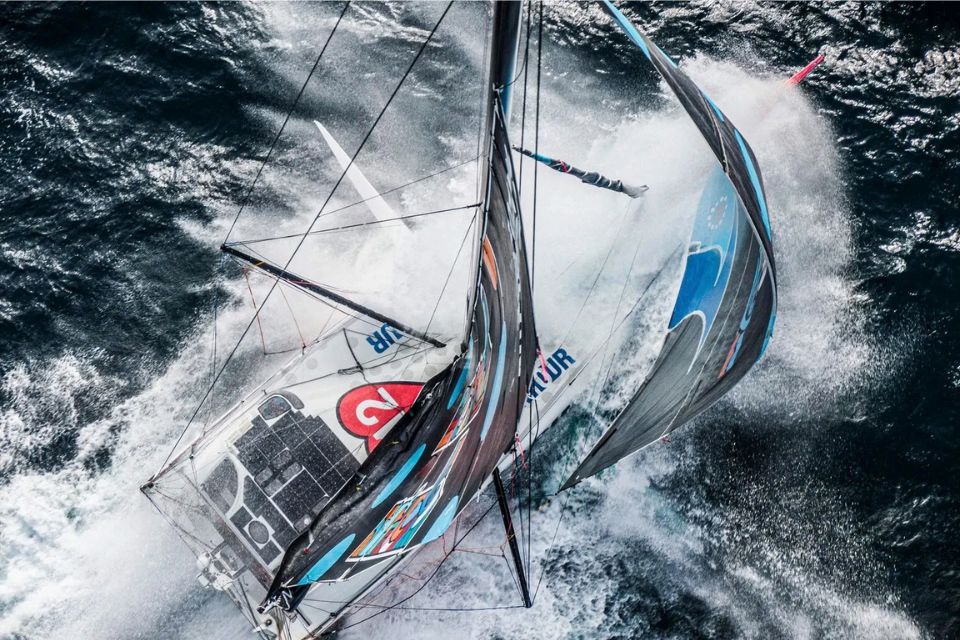
Stefan Raimund, chief ocean science advisor for The Ocean Race, shares a similar view. This grueling round-the-world race in stages already requires all teams to participate in a scientific program by collecting environmental data, including physicochemical measurements and microplastic analyses.
During the 2023 edition, one of the participating teams—the U.S.-based 11th Hour Racing Team—wanted to use the eDNA kit on a leg that traversed a wide range of latitudes and sea surface temperatures, Raimund explains. Not only did the team return with a vast amount of scientific data, but it also won the race and garnered significant media attention thanks to the added scientific component.
That put to rest any doubts about whether data collection might distract sailors from the race. It proved that racing yachts could collect scientific samples without sacrificing performance or speed, Pochon says.
Raimund explains that the initial focus was on tracking carbon dioxide in the Southern Ocean, one of the least-sampled regions on the planet.
“But since then, there has been a shift in mindset within the ocean sailing community,” he says. “Many sailors now have a genuine interest in the state of the ocean and ask questions about it. That’s why having eDNA on board is so useful: it’s much easier to explain changes in biodiversity than to talk solely about carbon dioxide concentrations.”
Endurance sailors have already used environmental DNA kits during The Ocean Race 2023 and again in The Ocean Race Europe 2025. Raimund says the initiative has gained traction within the sailing community and will once again be part of the scientific program when The Ocean Race returns in 2027, possibly involving multiple boats.
Innovation and Performance
During the 2024 Vendée Globe alone, Amedeo collected samples over 114 days at sea and generated millions of DNA sequences distributed across a map covering all latitudes and longitudes.
“Based on that data, we identified approximately 4,000 taxa, ranging from microbes to whales,” says Pochon. “And much of that genetic material remains unknown. For many of the genetic signatures detected, we don’t even have a species or genus name. This is especially true in the Southern Ocean, a region that has been very little studied and is extremely difficult to reach.”
The biological diversity revealed by those DNA traces was astonishing. Among the discoveries were flying fish, deep-sea lancetfish known for their bioluminescence, and an elusive moray eel whose migrations spanning thousands of miles to spawn remain a mystery.
The speed of eDNA sequencing continues to accelerate, and thanks to genomics companies like Illumina, the project has the capacity to continue analyzing samples on an ongoing basis. With support from the Minderoo Foundation, Pochon is also working on interactive dashboards to transform the data into visual tools accessible to the general public.
The foundation has been instrumental in connecting various ocean initiatives and ensuring that the data collected is compatible and shareable.
“Now is the time to bring all the datasets together,” says Pochon. “If we can expand the participating fleet, the potential will be enormous.”
Currently, the data collected by Citizens of the Sea is already being fed into the Global Biodiversity Information Facility, a platform that provides information to the International Union for Conservation of Nature, which is responsible for the Red List of Threatened Species.
But Pochon insists that the project’s potential goes far beyond simply compiling lists of species. It will also make it possible to describe ecological changes over time, track shifts in habitat, detect invasive species, and monitor toxic algal blooms.
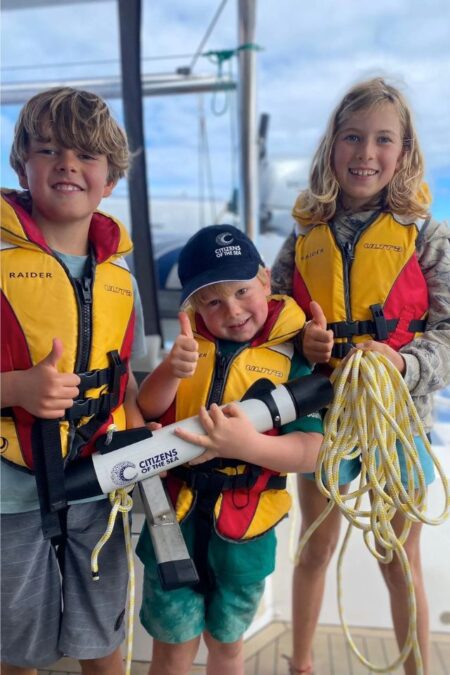
Meanwhile, technical innovation continues apace. The New Zealand-based company Sequench continues to refine sampling kits for both cruising rallies—which typically tow a torpedo-like device behind the boat—and racing yachts, which require integrated systems that are lightweight, robust, easy to use, and extremely accurate.
“The latest eDNA system works very well on the IMOCAs used in round-the-world races,” explains Pochon. “We can pump water continuously even at high speeds thanks to two intakes built into the keel.”
The team is also testing the feasibility of these systems on other types of vessels, including the Sails of Change team’s maxi trimaran. Committed to the protection and restoration of biodiversity, they are exploring the use of eDNA sampling as part of a broader program aimed at developing innovative solutions to reduce risks to marine mammals during offshore regattas.
Collecting eDNA from a catamaran has posed a technical challenge, but Pochon believes that this only underscores the need to continue developing engineering solutions tailored to different types of vessels.
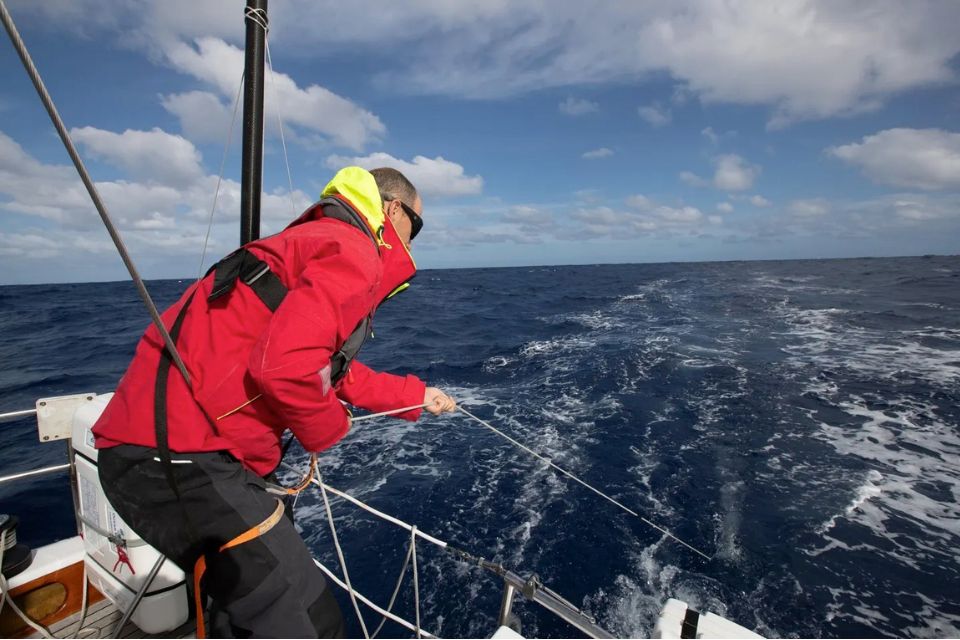
Pochon hopes that the data collected by the yachts will show the world how climate change is affecting marine biodiversity and help drive more effective policies to prevent its collapse.
With thousands of vessels sailing across the world’s oceans, their goal is to equip an increasing number of ships with portable, user-friendly tools, as technology continues to evolve toward smaller, faster, and more automated devices.
Amedeo, for his part, is already thinking about the next Vendée Globe in 2028.
“I’d like to sail again without using fossil fuels, something I already achieved during my last round-the-world voyage. I also want to contribute to science once more… and compete in a more efficient boat to prove that investing in ecology and science isn’t incompatible with performance.”