







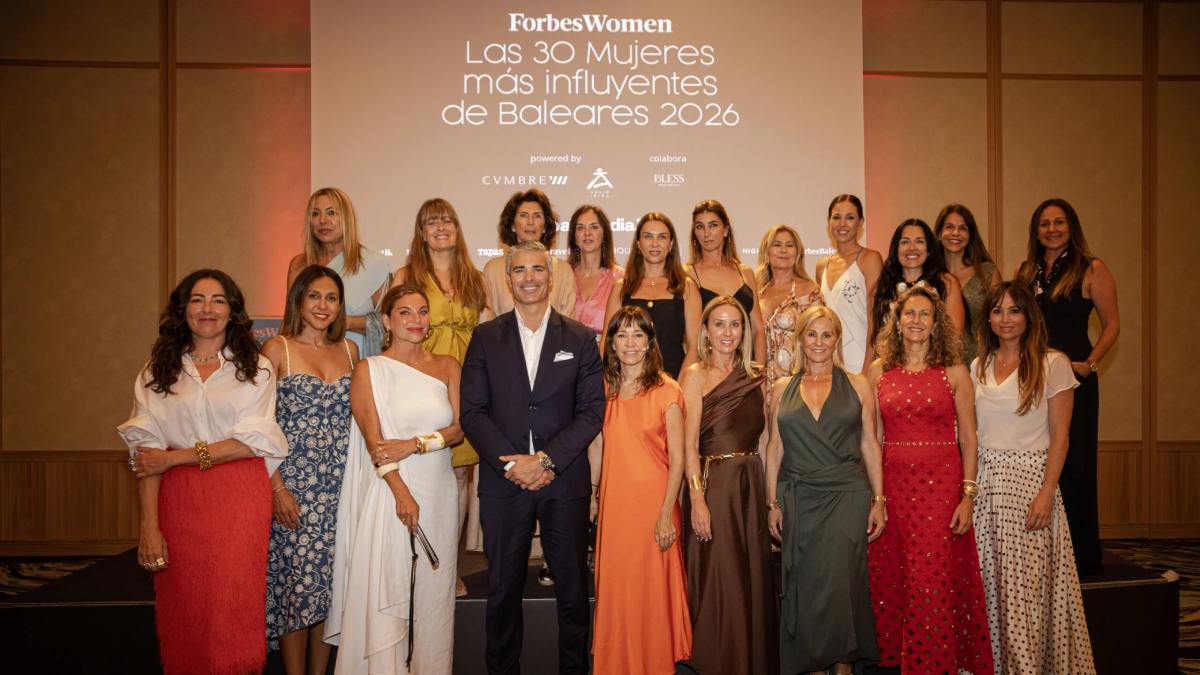
Ibiza’s summer calendar is endless, but tonight, Forbes Women had it easy. Gathering the most influential women of the Balearic Islands at Hotel Bless The Site to celebrate the launch of the ’30 Most Influential Women of the Balearic Islands 2026′ list was both a challenge and a blessing. First of all, because gathering interesting women is always exactly that: interesting. And secondly, because with a guest list like this, lively discussion and good conversation were guaranteed.
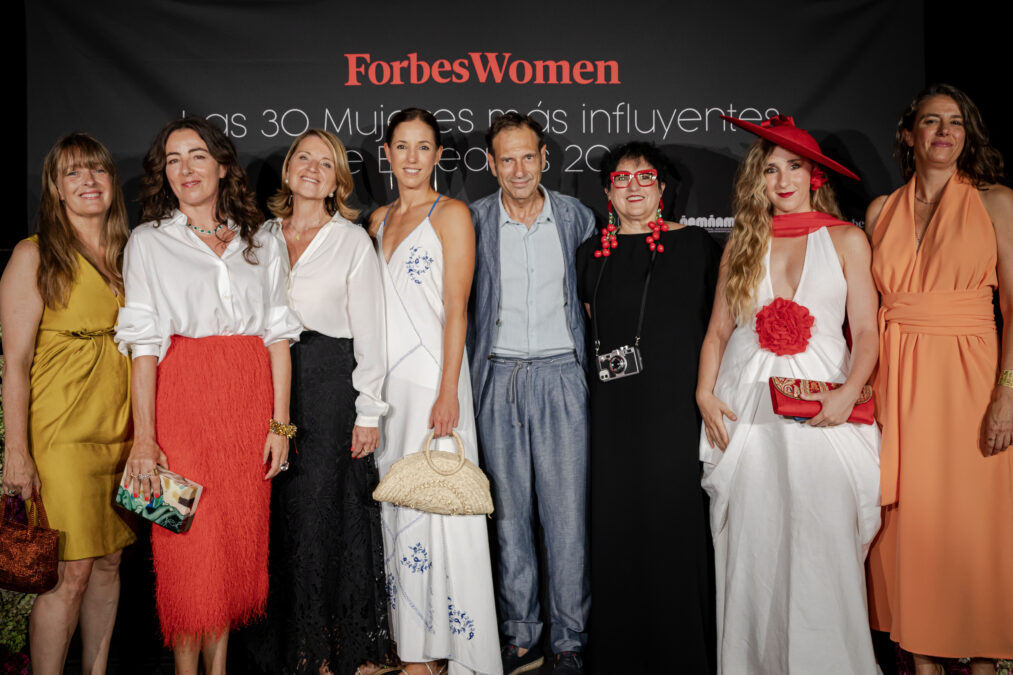
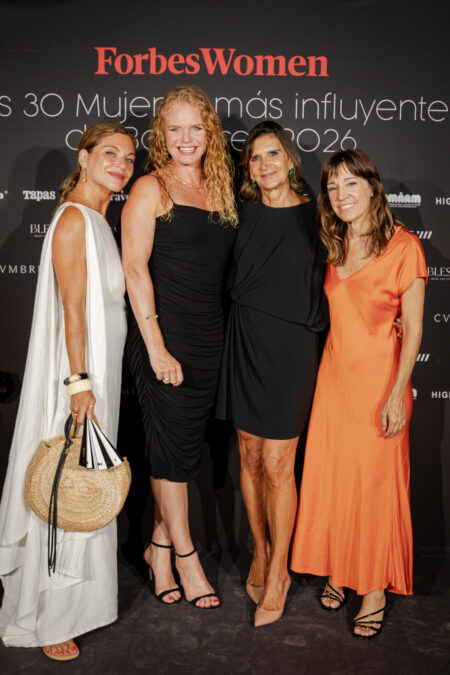
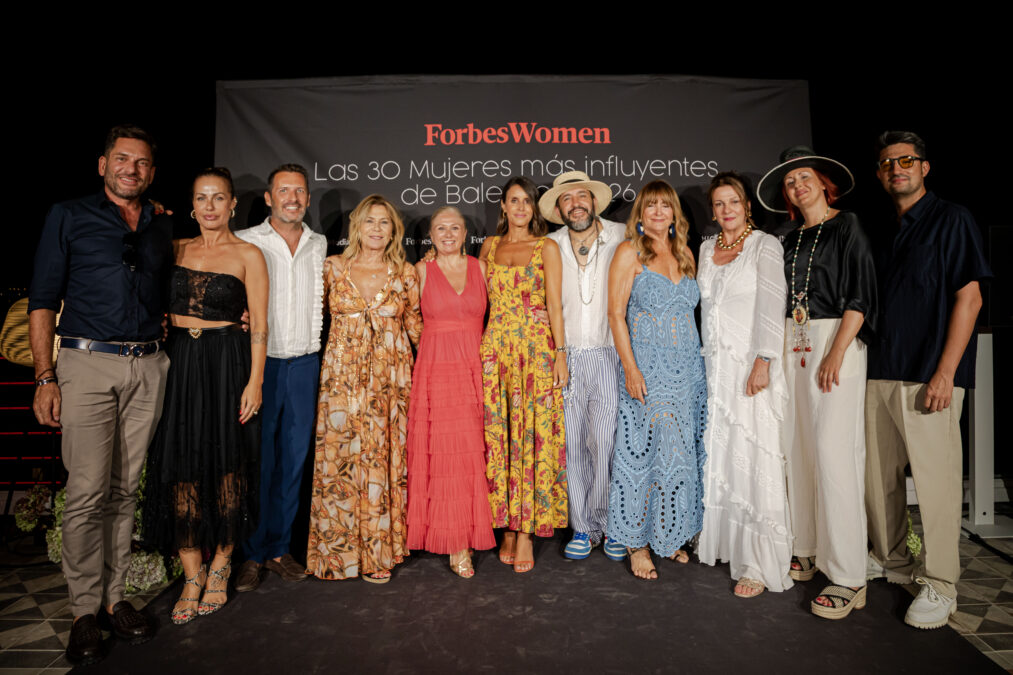
The event organized this evening by Forbes Women at the newly opened Hotel Bless Ibiza The Site – Palladium’s new beach hotel in Platja d’en Bossa, which redefines the concept of experiential hospitality in Ibiza – thanks to the collaboration of Moda Adlib, the Canary Islands-based consultancy Cumbre 8, all of whom were sponsors – was attended by some of the most prominent women in this autonomous community: Carmen Planas, president of the Confederation of Business Associations of the Balearic Islands (CAEB), who also participated in one of the panel discussions; Carmen Matutes, Deputy General Manager of Palladium Hotel Group, owner of the Hotel Bless The Site where the event was held; Piluca Bayarri, fashion designer; Piluca Barrau Martínez, pharmacist and optometrist; Marta Munar, pharmacist and founder of the G-19 pharmacy (a celebrity favorite); Marta Serna, Medical Director of Clínicas Medisans; María Plomer, General Manager of Zafiro Hotels; artists Ela Fidalgo and Lucía Vallejo; Ángeles Ferragut, President of the Ses12naus Foundation, among many others.
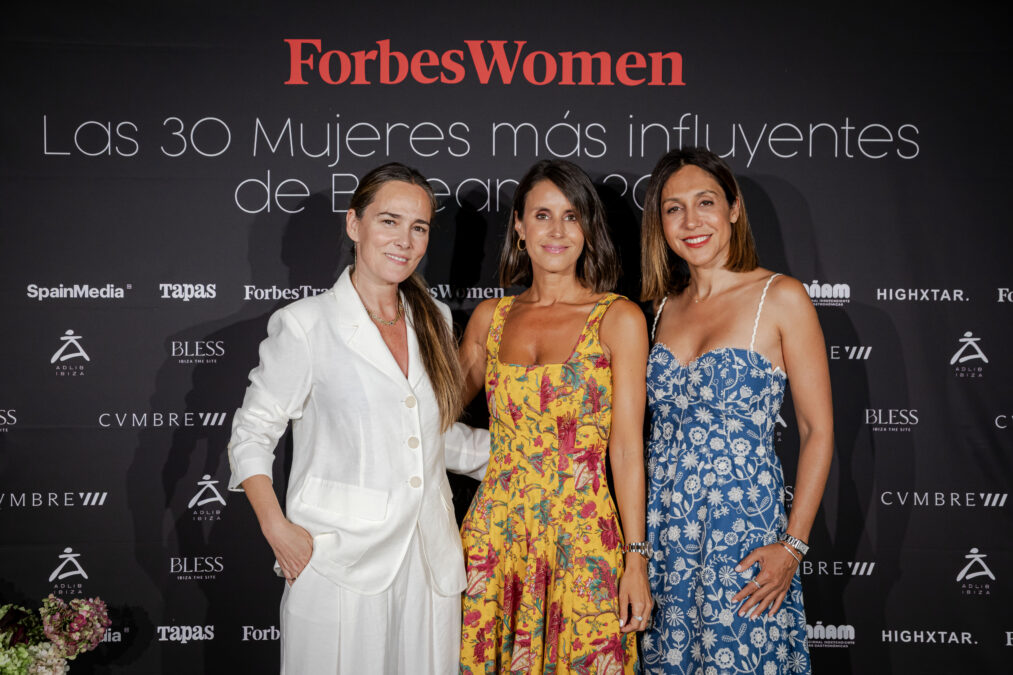
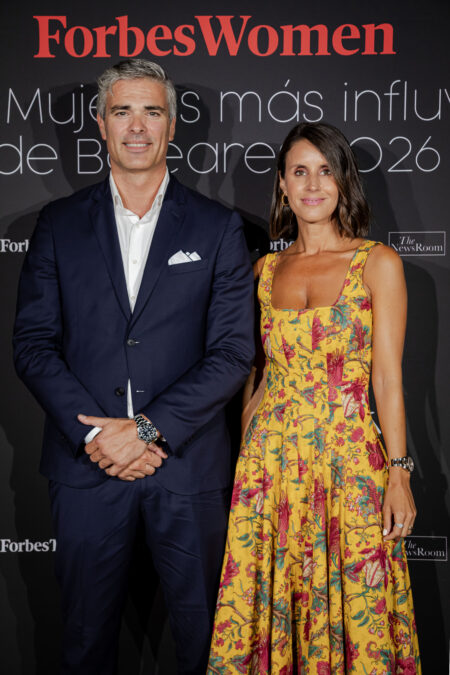
The event began with a speech by Cristiano Badoch, CEO of SpainMedia, who highlighted the Group’s commitment to placing female talent “at the heart of the social agenda.” In fact, “65 percent of the people who make up our company are women,” he noted. Badoch then passed the floor to Vera Bercovitz, Head of Content for Forbes Women, who spoke about the magazine’s goals in organizing events like this one. “The idea is for this list to continue over time and for us to be able to focus on different women each year. The more women there are, the more role models there will be and the greater the potential to inspire new generations.”
The first roundtable was titled ‘Culture as a Balearic Value Proposition’ and was based on the premise that cultural values are a defining and inalienable characteristic of the archipelago. Historical heritage, art, craftsmanship, creativity, and local traditions represent a unique value proposition that generates wealth, social cohesion, and international visibility, as well as an economic and cultural opportunity for future generations. The debate aimed to explore how all these elements combine to form the unique character of the islands and to identify ways to leverage them to safeguard the Balearic essence. The speakers for this first session were multidisciplinary artist Ela Fidalgo, Paloma Hernaiz, owner of the Ohlab architecture studio, and Ángeles Ferragut, a cultural manager and founder of Ses12Naus. Soledad Bescós, director of the Paco de Lucía Festival, served as the moderator.
“I think we are in a really magical moment for craftsmanship because it tells stories, which is what people are looking for: something that transcends time. It’s a craft that in the past has been greatly undervalued, but that is now receiving greater recognition. “Great things happen in small spaces,” Fidalgo emphasized, referring to his involvement in social projects like the one in the Son Gotleu neighborhood of Palma. “Art is the perfect channel to reach people who, in terms of gender or culture, you might not fully understand.”
Hernaiz highlighted the close relationship with local artisans as a key difference between working in the Balearic Islands and doing so in other places, such as Singapore or Shanghai. In this regard, he mentioned his participation in the Terreno Barrio Hotel project, the first urban hotel by Grupo Piñero. “All of the hotel’s furniture is made in Mallorca by local artisans. We have to work with all these trades to maintain their status and ensure they don’t disappear,” he said, advocating for the promotion of synergies that will “make things happen in Palma.”
For his part, Ferragut emphasized the importance of connecting projects with young people. “Art works with questions; it is a form of knowledge. The idea is to find new ways to understand and see the island of Mallorca.” He added that “we work with the island’s human and historical capital to generate new projects, whether they are educational, exhibitions, etc. And it’s important that culture not focus on quick success, but on quality.”
The second panel discussion, moderated by Vera Bercovitz herself, brought together Carmen Planas, president of the Confederation of Business Associations of the Balearic Islands (CAEB); Marcos Cohen, of the strategic consulting firm Cumbre 8, based in the Canary Islands; and Beatriz Fernández, general director of the Mascaró Group. Under the title “Women’s Leadership: Building the Business of the Future,” the debate focused on the increasingly significant role of women in shaping an innovative and sustainable business model committed to the region. The discussion focused on the importance of the new roles of women as drivers of an economic development model that respects the environment and the islands’ natural resources, while also contributing to ensuring the well-being of future generations.
“We should consider a new leadership model – a model based on service, inspiration, and a shared purpose – that places a greater emphasis on teamwork. In this way, the company can innovate more, be more competitive, and achieve its goals,” Planas argued, in defense of the need to involve young people in a business development process from which they have distanced themselves in recent times. “I’ve read that 70 percent of young people don’t want positions of responsibility; they don’t want to take on responsibilities because they’re afraid and prefer to stay where they are. We have to turn this situation around.”
The lack of affordable housing, on the other hand, is another key problem facing the Balearic Islands and a major obstacle to attracting and retaining talent. “People can’t come here because they can’t afford housing. We have to be patient, but we also have to keep in mind that we are a limited territory,” Planas said.
Marcos Cohen, for his part, referred to the internal efforts within the Canary Islands’ business sector to reconcile tourism and economic growth with the protection of the local environment. “There is a fundamental concern to ensure that tourists are not simply consumers of resources, but generators of resources.” Cohen also emphasized the importance of knowing exactly where the revenue from tourism taxes ends up – such as the Balearic ecotax or its Canary counterpart.
For Beatriz Fernández, one of the most important challenges is employment. “In Menorca, with a population of 100,000, we already start from a difficult position in this regard. It’s a really complex issue, especially in our sector and with the type of product we manufacture. But we were recently looking for a factory manager from off the island, and the easiest part was, in fact, finding one: this is due to having established companies with a rich history, and that’s something the Balearic Islands can be proud of. The only thing that concerned this employee was finding a place to live.” Finally, regarding the preservation of natural resources, Fernández emphasized that “without conservation, there is no prosperity.”
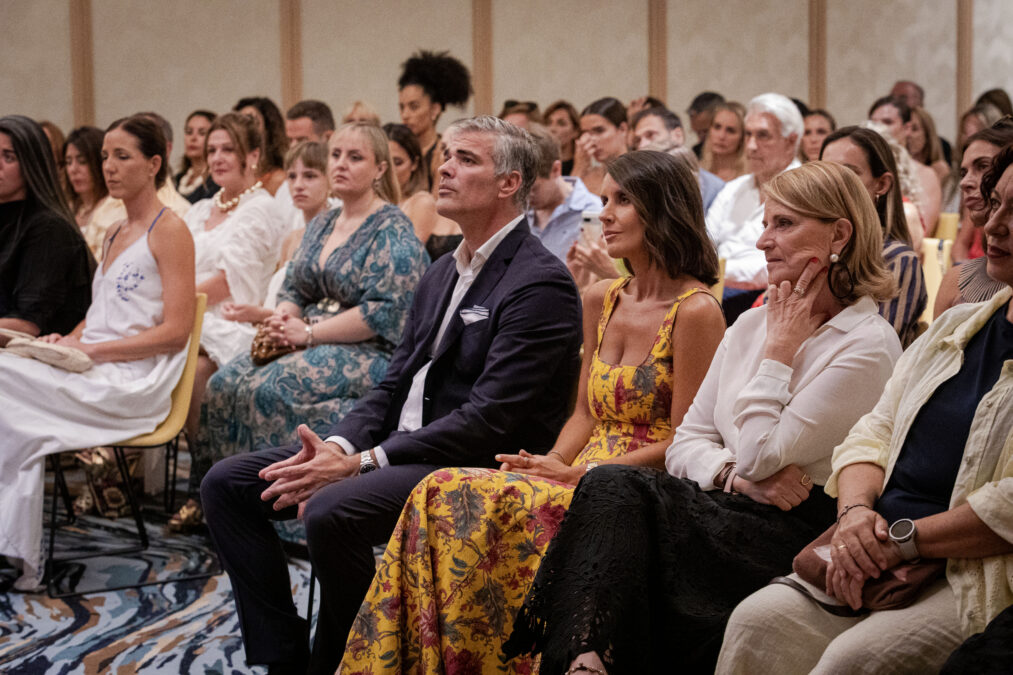
Once the second panel discussion concluded, the event’s host, journalist Irene Sala, announced the start of a cocktail reception and networking session that lasted well into the night, but not before thanking Cumbre 8, Adlib Ibiza, and Bless Ibiza The Site for their support in organizing this event. Unforgettable, as always, but with the promise of returning – in another form, with another flavor – next year.