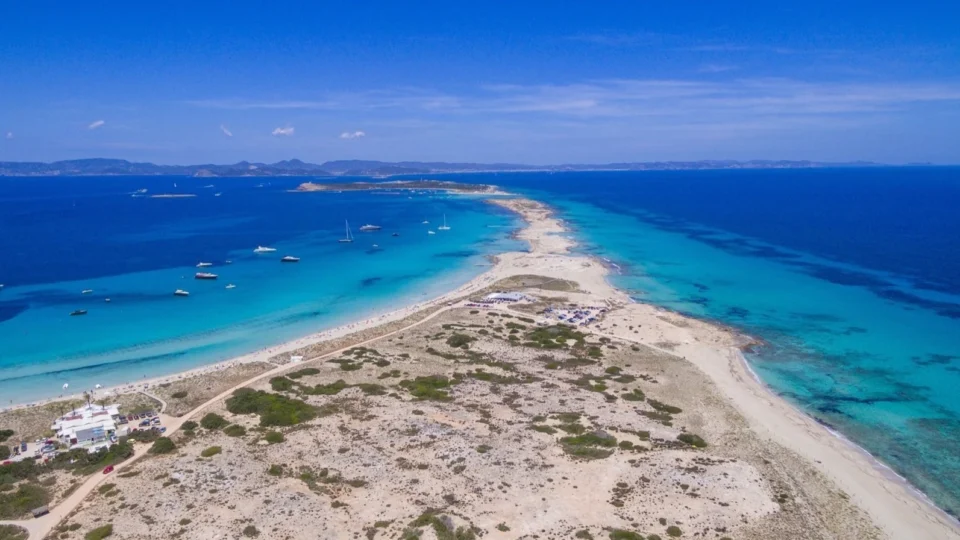








For much of the international hotel industry, Mallorca has become a testing ground where concepts are tested, investment decisions are made, and trends are anticipated that later spread to other markets. It is precisely within this ecosystem that Simon – a group specializing in energy, lighting, connectivity, and control solutions for residential, urban, and professional environments – has decided to focus one of its strategic priorities for the coming years.
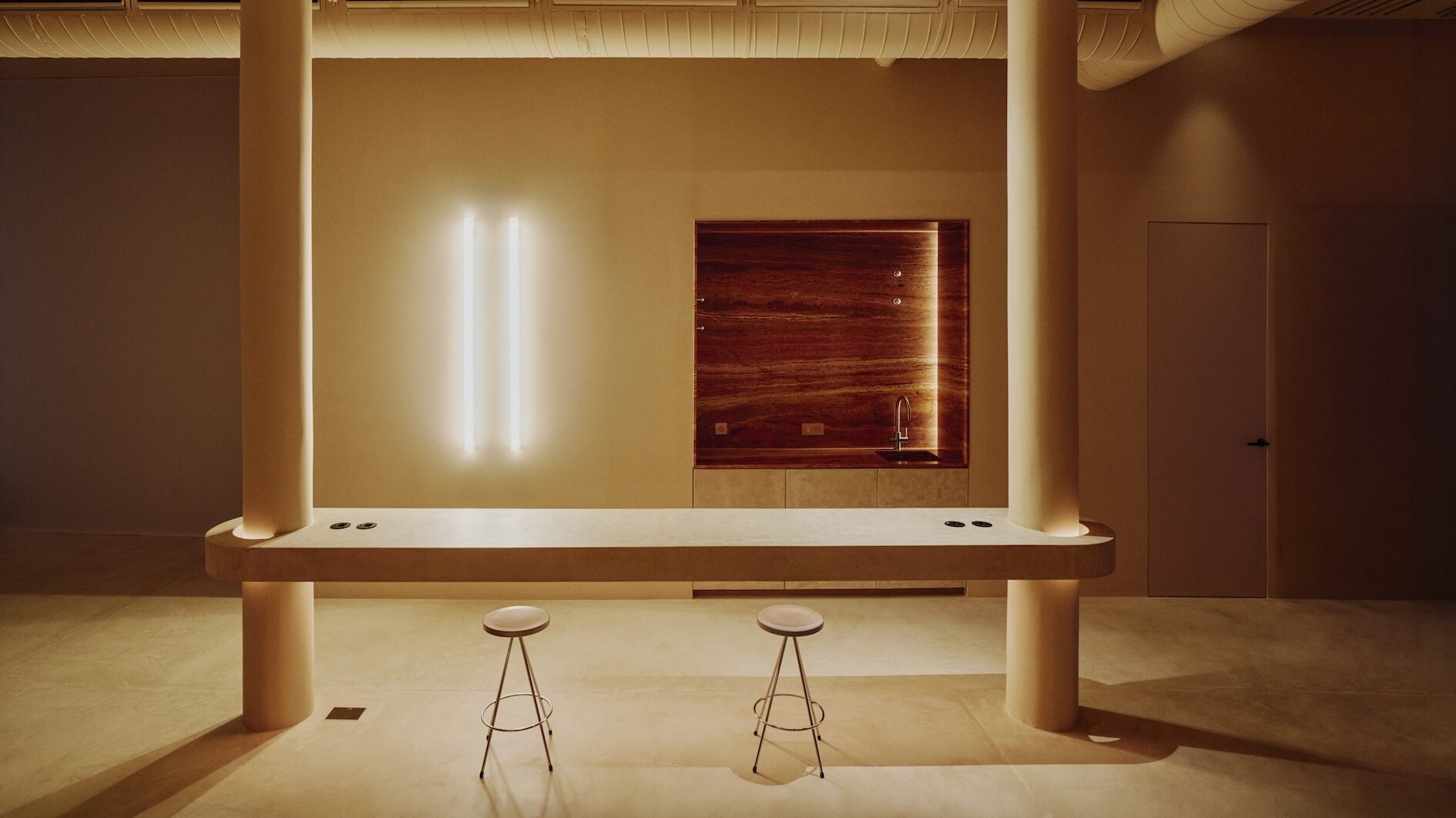
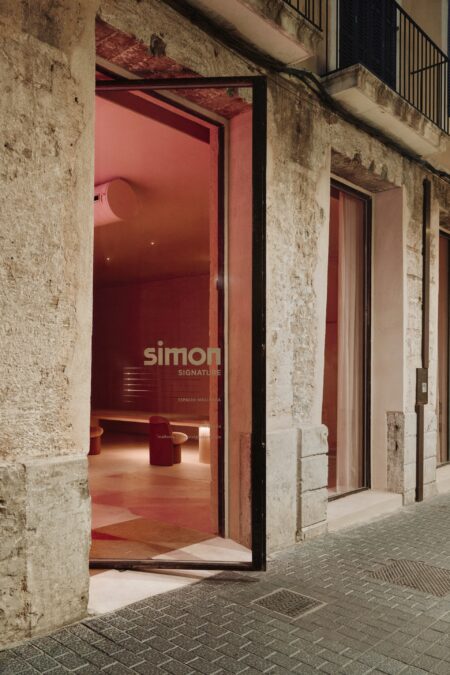
The company has just opened the first Simon Signature showroom in Spain in Palma, at 3 Can Brondo Street. Covering 100 square meters, it is conceived not as a conventional showroom, but as a meeting point for hoteliers, architects, interior designers, and engineers, from the initial stages of a project through to its completion. This initiative is part of a broader shift. Simon, a company with more than a century of industrial history, is expanding beyond its traditional role as a manufacturer of electrical equipment to become a technology partner capable of integrating design, lighting, connectivity, automation, and efficiency into a single project.
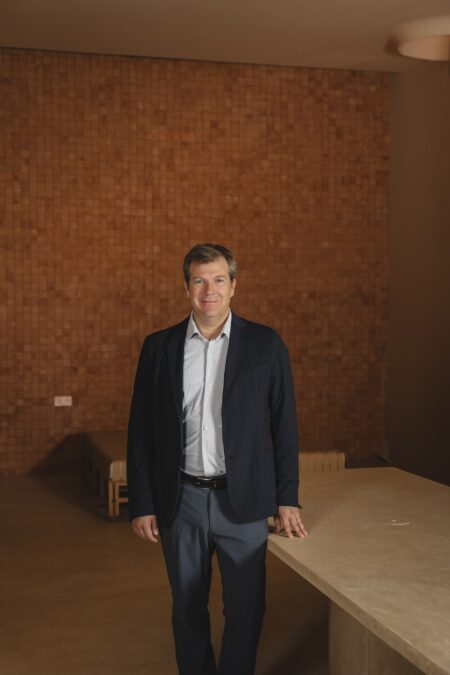
“With Simon Signature, we want to be closer to those who imagine and develop these spaces, and to be able to get involved from the earliest phases, integrating design, technology, efficiency, and automation,” explains Esteban Bretcha, CEO of Simon. “Building on the solid foundations and industry experience accumulated in over a century, we are expanding our capabilities to tackle increasingly demanding projects with a greater technological component.”
Mallorca as a starting point
The choice of Mallorca is no coincidence. The island is home to a large number of international hotel groups, operators, and architecture, interior design, and engineering firms involved in high-end projects. It also serves as a showcase for new ways of approaching the hotel experience, at a time when the industry is facing growing pressure to combine design, personalization, and operational efficiency.
For Simon, being physically present in this environment means getting involved with those who make decisions about the buildings before the technical specifications are finalized. This is a significant change: the company aims to get involved not only when it’s time to choose mechanisms or systems, but also while the space’s functionality is still being defined.
This approach underpins Simon Signature, the new corporate brand with which Simon intends to address large-scale architectural, interior design, and engineering projects in a comprehensive manner. Its operations will run parallel to Simon Electric, which focuses on the traditional electrical supply business and relationships with distributors and professional installers. Ultimately, the division reflects two different ways of approaching the market. While Simon Electric maintains its focus on products and specialization, Simon Signature aims to be involved in the project from the very beginning.
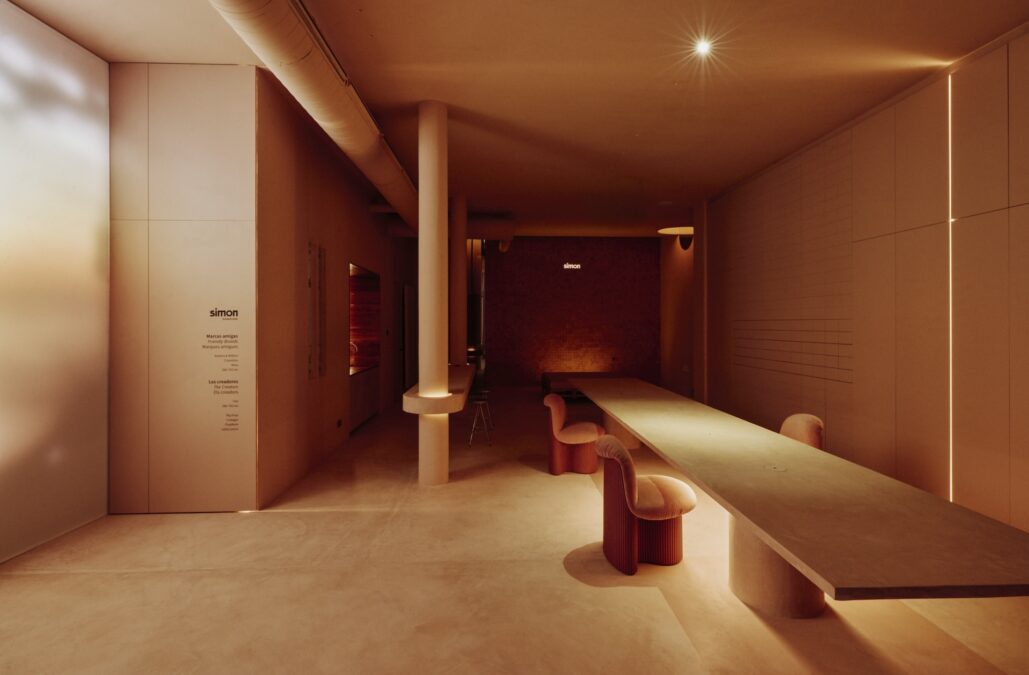
The transformation is not limited to a new brand architecture. It also involves a change in the way technology is presented. The Palma space joins Barcelona’s La Casa de la Llum and Madrid’s La Casa de la Luz, but introduces a different approach from a traditional showroom. Here, visitors don’t just see solutions: they can see how they interact with each other and how they enhance the hotel space experience.
Lighting, control, connectivity, and sound are integrated into various scenarios that replicate real-life situations. One example is the ‘Room Experience,’ a hotel room where it is possible to adjust the lighting, temperature, and other parameters according to the time of day or the guest’s needs. This approach reflects a growing trend in the industry: technology is moving away from being a set of separate installations to become an invisible layer that coordinates building operations.
It is in this context that Ziclick also emerges, a collaboration between Finsa and Simon focused on industrialized construction. Its E-Panel, installed at the Palma facility, integrates technological equipment and mechanisms as standard through a modular, plug-and-play system. The proposal addresses an issue of growing relevance to the sector: how to incorporate more technology into buildings without adding complexity to their construction.
One of the challenges of the new model is ensuring that efficiency and user experience don’t compete. The technology must operate in the background, while the user simply perceives that the space works better.
At Simon, this philosophy centers on LOLA, the company’s digital platform that connects and manages the building’s various systems. Lighting, sound, temperature, and control can operate in a coordinated manner, while tools such as the facility manager and space controller help simplify the daily management of spaces.
The same logic applies to the services that can be managed from the guest room or integrated into the hotel’s management systems. The space also incorporates solutions linked to digital services and payment gateways provided by Frekuent. The goal is for energy and operational efficiency to stop being a purely technical issue and become part of the building’s overall experience.
Technology with a Mallorcan identity
Palma’s proposal also aims to avoid one of the common risks associated with technology-focused spaces: that the technology ends up taking precedence over the architecture. The project, developed by architect Cristina Rebolo under the creative direction of YSLA Strategic Creative Firm, incorporates materials associated with the identity of the Balearic Islands, such as Mallorcan marès stone, terracotta, oak, leather, and ceramics. The result combines traditional craftsmanship and materials with a technological infrastructure designed to be visually invisible when not in use.
Lighting plays a central role. 380/750nm developed the lighting design based on the visible spectrum, between 380 and 750 nanometers, creating different scenes and transitions along the route. Ledscontrol collaborated with the lighting designers and FlopWork to transform this concept into an integrated lighting and audiovisual experience.
The approach has a clear business rationale: the more sophisticated a hotel’s technology is, the less obvious it should be to the guest. Innovation is no longer measured by its visibility, but by how much it enhances the experience without interfering with it.
A marketplace where design and technology meet
Simon’s project in Mallorca also involves several companies providing solutions for the space. Cosentino has supplied the red travertine used in various elements; Roca provides technological solutions for the bathroom area; Bowers & Wilkins supplies the integrated sound system; and Salto supplies the access control system.
Instead of simply serving as a showcase for brands, the space aims to demonstrate how different technologies can be integrated within a single architectural framework. This is, ultimately, the arena in which Simon intends to compete with Signature. In an increasingly sophisticated hotel market, value no longer lies solely in the individual components installed on the wall, ceiling, or within a room. It lies in the ability to make all these components work together.
The opening of the Palma office is, therefore, more than a new commercial direction for Simon. It is a signal of where it wants to take its business: from a product manufacturer to a solutions integrator, and from a technical supplier to a partner from the earliest stages of a project. And Mallorca, with its unique combination of an international capital, high-end tourism, and architecture, seems a particularly suitable place to test this new model.