








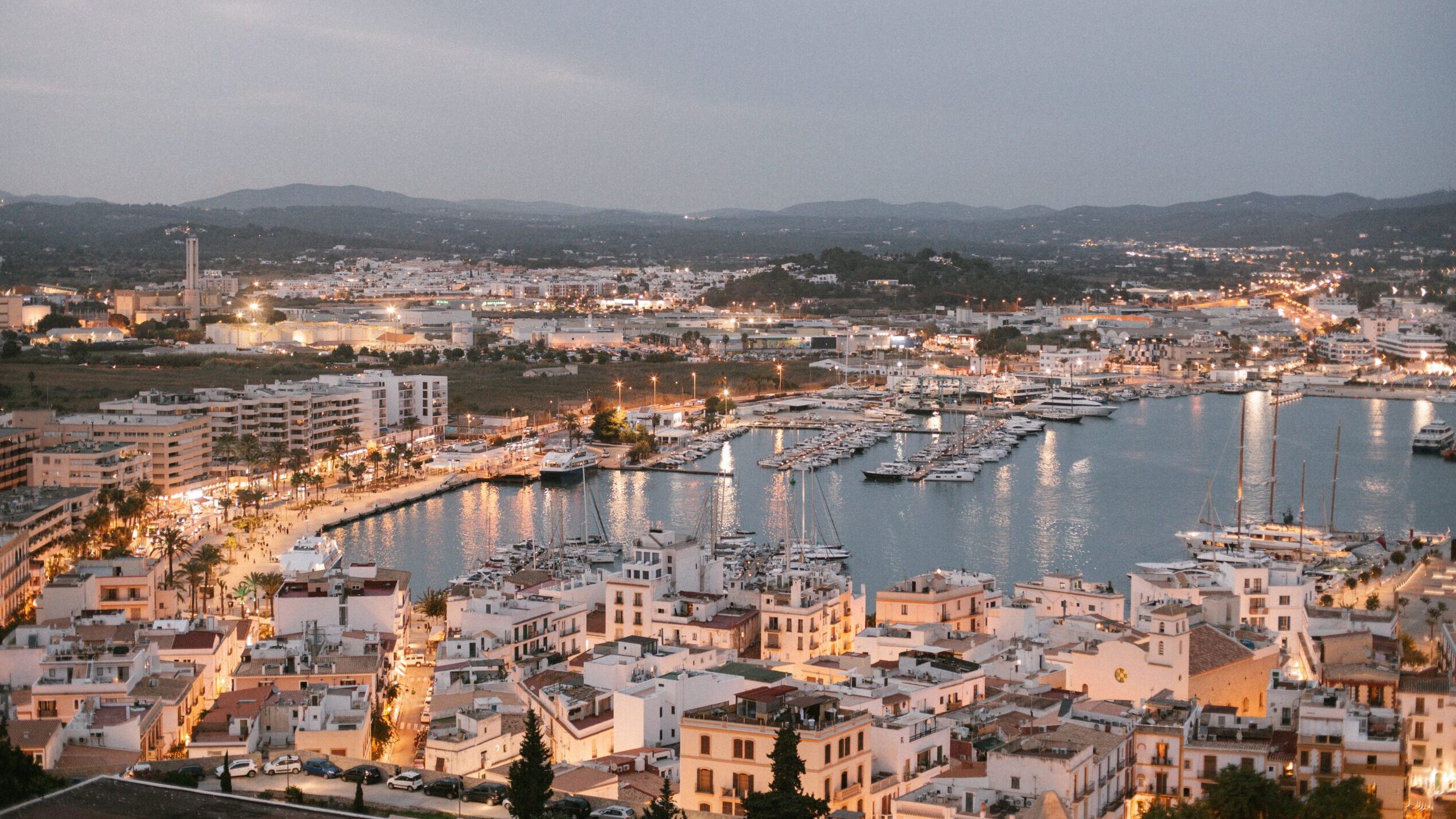
Amid protests over mass tourism, the Balearic Islands continue to prove they are much more than one of Spain’s most important vacation destinations: they have become one of the main drivers of hotel profitability in the country. During the first half of 2026, the average room rate in the archipelago reached 190 euros per night, 9 percent higher than in the same period the previous year, ranking among the highest increases recorded in Spain.
The figures, taken from the latest Hotel Barometer prepared by STR and Cushman & Wakefield, reflect a market that continues the growth trend that began after the recovery of tourism and points to another record year for the sector. Nationwide, an overnight stay in a Spanish hotel cost an average of 163.4 euros between January and June, 4.9 percent more than in 2025. Occupancy reached 74.1%, while RevPAR—the industry’s key profitability indicator, which measures revenue per available room—increased by 5.6% to 121.2 euros.
If the archipelago’s figures reflect anything, it’s a change in trend that the sector has been pursuing for years: to grow more in terms of value than in terms of volume. Although urban destinations like Valencia, Alicante, and Málaga led hotel occupancy during the first six months of the year, the Balearic Islands stood out for their ability to increase the sector’s revenue without relying solely on an increase in the number of visitors. This approach should help combat mass tourism, against which more than 25,000 people protested this Sunday. A sea of people demanding that limits be placed on mass tourism in Mallorca and the rest of the Balearic Islands.
The average daily rate (ADR) in the islands stood at over 190 euros, consolidating its position among the highest in the Spanish market and registering a 9 percent increase, surpassed only by a few very specific destinations. At the same time, revenue per available room (RevPAR) increased by 10 percent, one of the highest growth rates in the country. These figures reflect the strength of a destination whose international reputation allows it to absorb price increases while maintaining high demand, especially in the months leading up to summer.
Spain is heading for another record year in terms of tourism
The performance of the Balearic Islands is part of a very favorable trend for the Spanish hotel sector as a whole. The national average occupancy rate reached 74.1 percent, a record figure for the first half of the year and 0.7 percent higher than that recorded a year earlier. This trend also confirms a gradual reduction in demand seasonality, with a greater flow of travelers outside the traditional vacation months.
This also translates into higher revenues for establishments. National RevPAR rose to €121.2, while the Balearic Islands once again ranked among the fastest-growing destinations, with a 10 percent increase, just behind some markets driven by a sharp rise in occupancy rates.


