








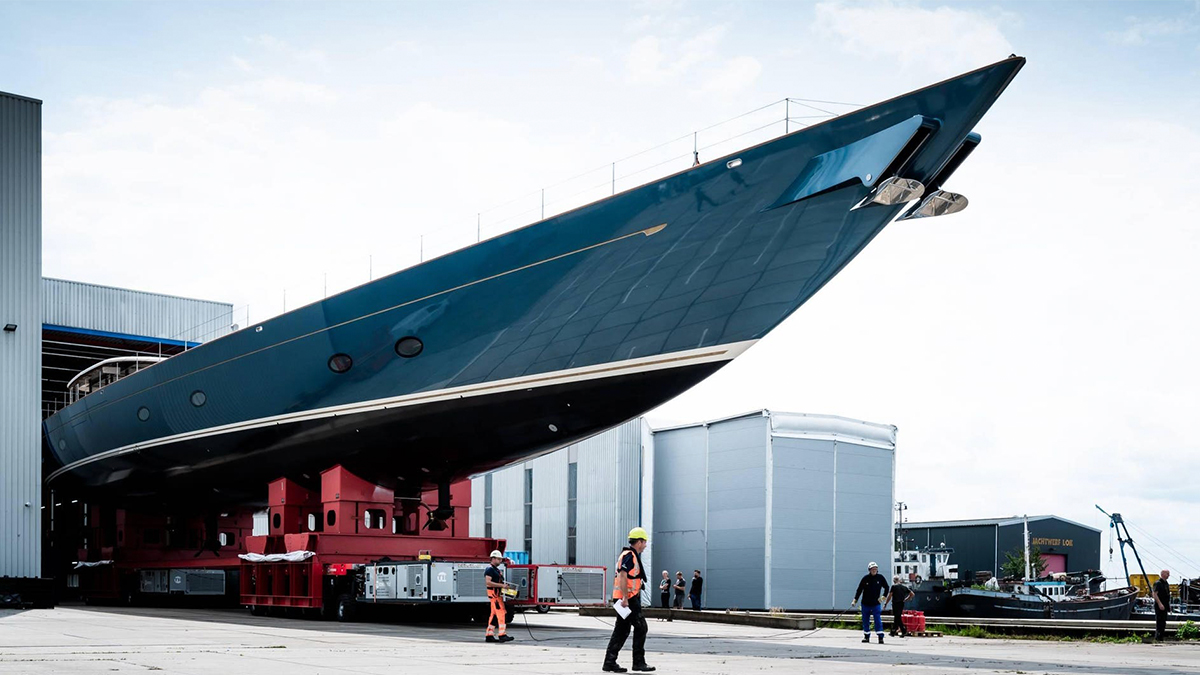
Superyachts have become synonymous with excess—and emissions. Several studies have found that a single large private yacht can emit more than 5,000 metric tons of CO₂ per year—a carbon footprint that dwarfs that of the average person. So when a couple of prospective owners tell a shipyard that they want to build a superyacht that completely eliminates the use of fossil fuels, what can you say?
For most people, the answer was no. The technology wasn’t ready; the compromises would be too great; diesel engines would always be the default choice. But this month, after nearly a decade of development, Project Zero has finally taken to the water in Harlingen, the Netherlands.
The world’s first all-electric sailing superyacht, Project Zero, has brought together Vripack, Dykstra Naval Architects, physicists, America’s Cup engineers, and a married couple who refused to give up on an idea just because no one had ever done it before.
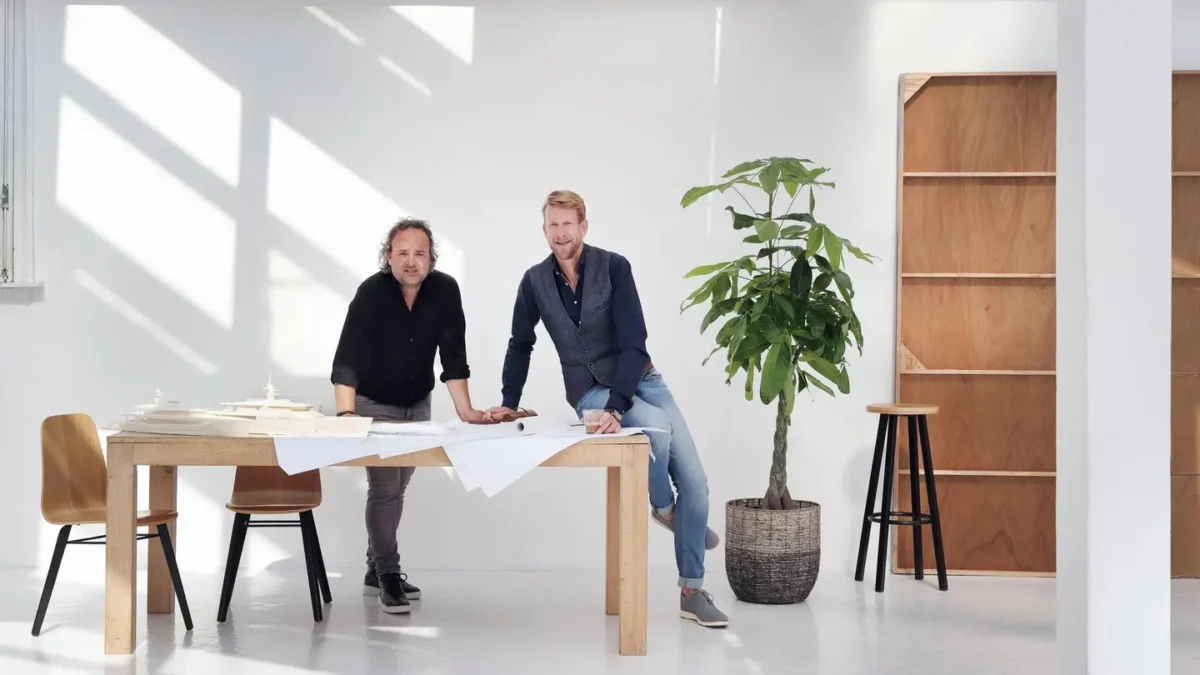
“I was surprised by the industry’s lack of curiosity about Project Zero,” says Bart Bouwhuis, co-creative director at Vripack. “Not only was it considered unrealistic; it was dismissed outright, without any serious investigation.”
It was precisely that willingness to experiment that led to Vripack being awarded the project. “We were invited to meet with the owners, who shared their vision,” explains Marnix J. Hoekstra, Vripack’s other co-creative director. “We responded honestly. We didn’t know if it could be achieved, but we were confident that, by following our design and research process, we would find the right answer.”
Even so, there were times when Project Zero seemed to be asking for too much. The owners wanted to sail for up to 14 days “in comfort,” with all onboard systems running exclusively on renewable energy. The initial calculations were discouraging.
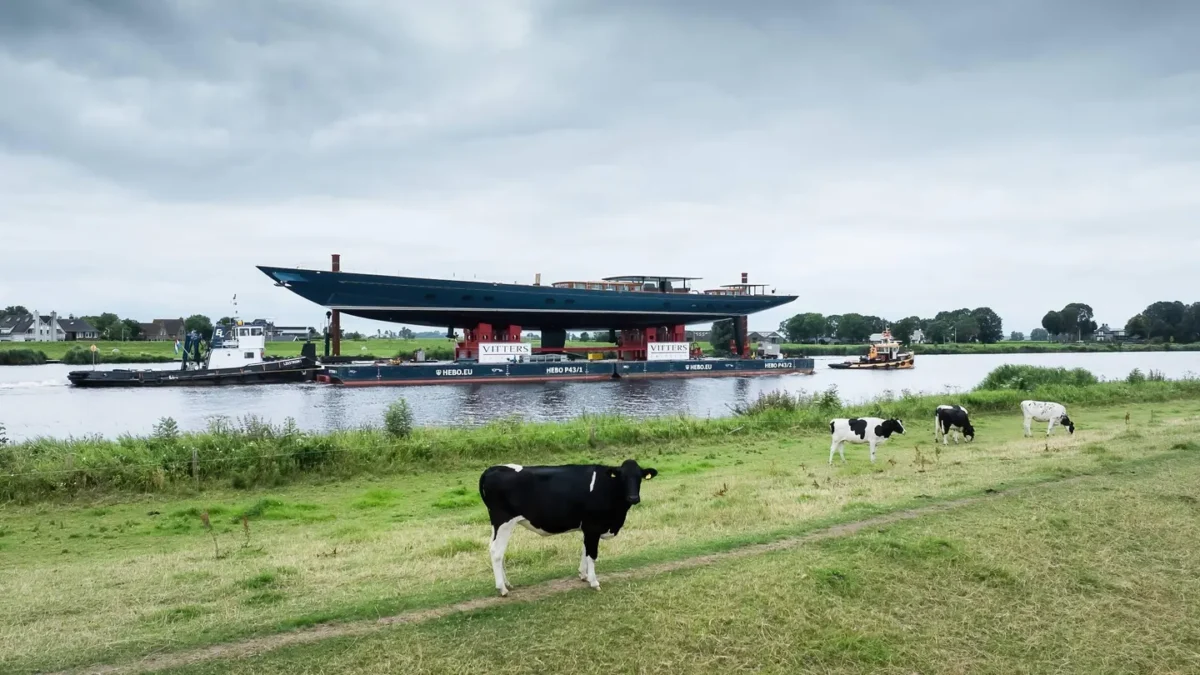
“Our analysis, based on existing data and tests conducted on other vessels, indicated that we would only be able to last about two days,” says Hoekstra. “The 14-day goal seemed unrealistic for quite some time.”
Instead of lowering their expectations, the owners expanded the team—adding physicists to work alongside naval architects and engineers—and this new “think tank” was, according to Vripack, the turning point for the success of Project Zero.
The Technology Behind Project Zero
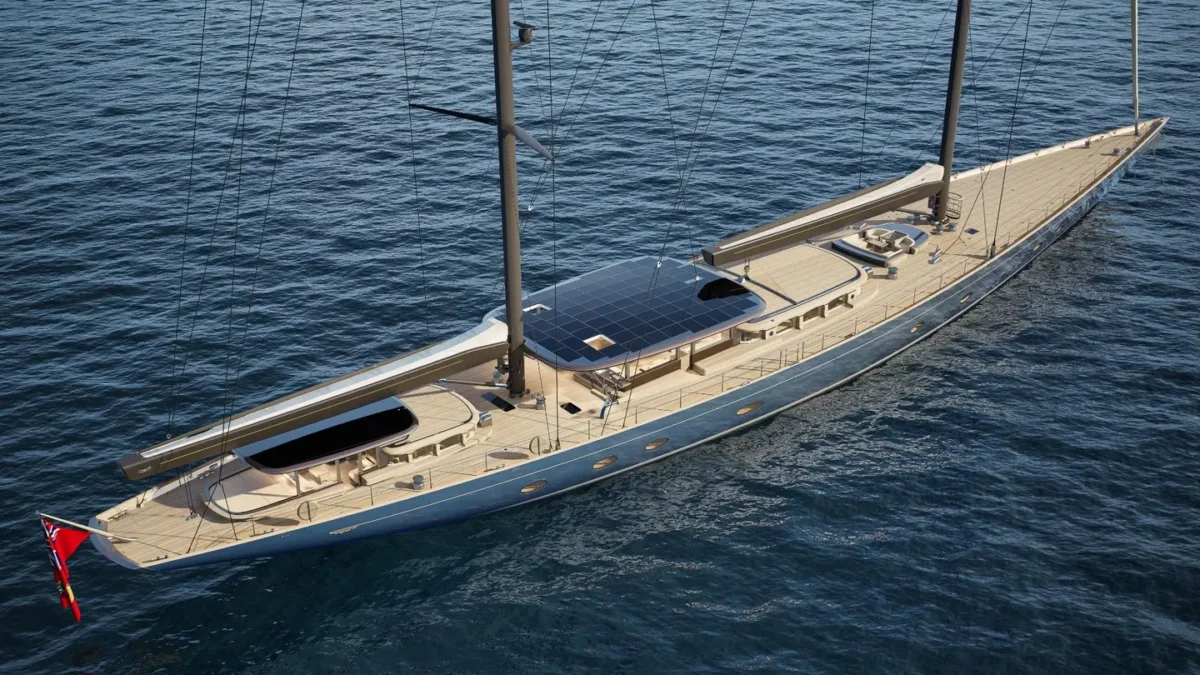
Project Zero does not have a conventional engine. Regenerative systems—including specially developed turbine propellers—generate electricity while the vessel is underway, while 100 square meters of solar panels integrated into the bimini tops generate both electricity and heat. Everything is managed through a central energy system designed to balance generation and consumption without relying on fossil fuels.
According to Vripack’s simulations, the final profile offers a 2.5% increase in cruising speed, which translates to approximately an 8% increase in electricity generation.
It’s packed with cutting-edge technology, but Project Zero is, above all, a stunning yacht. Elongated overhangs, low-profile decks, and two masts evoke the charm of a classic sailboat, with bespoke details that include matte-finish decks, a hand-painted metal transom, and interiors designed with the natural world in mind.
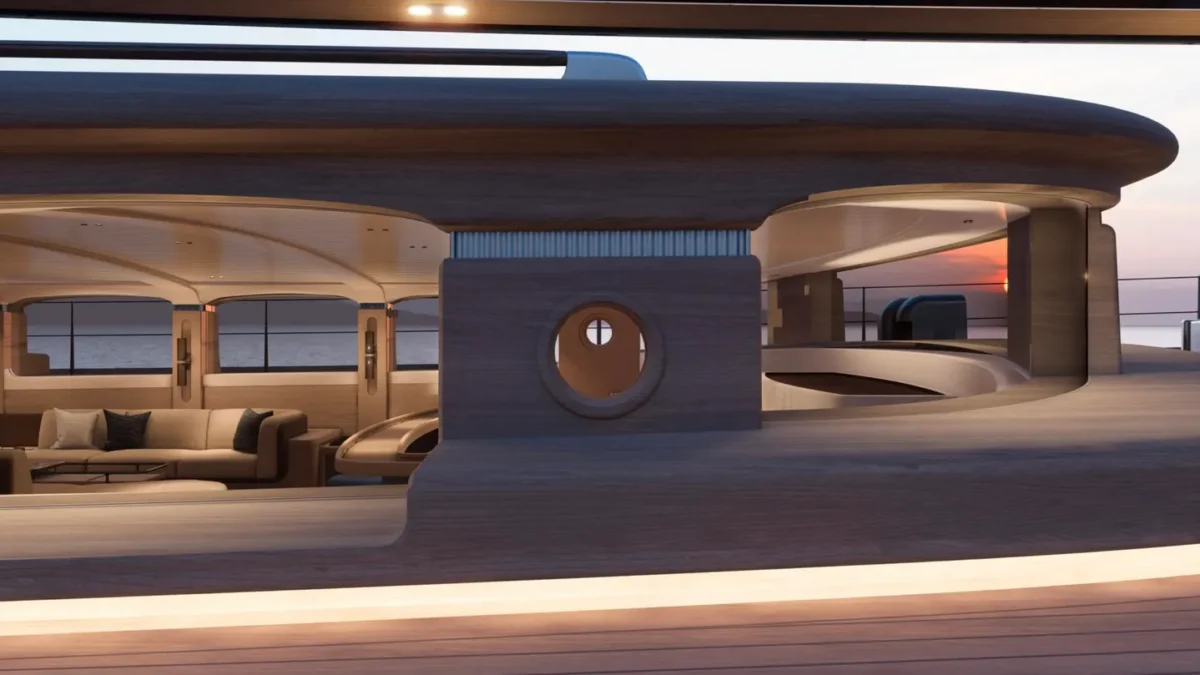
The living spaces are clad in smoked European oak, deliberately left unfinished to showcase all its natural knots and grain. The stone surfaces reveal visible cut lines; the furniture incorporates recycled tree bark. The result is warm and earthy, yet also sustainable: it increases the yield of each oak veneer to nearly 70%, compared to approximately 30% in conventional construction.
Vripack visited the owners’ homes before designing the interiors—studying how they lived on land before deciding how they would live at sea. Another unexpectedly practical request had to do with how they wanted to dine on board. “The dining area on their previous yacht took the crew a long time to set up,” says Hoekstra.
The solution was modular outdoor furniture mounted on lockable wheels, which allows the owners to reconfigure the pool themselves to accommodate four, eight, or twelve guests. The pool’s electric windows can also be closed at the push of a button if the weather changes, without having to call the crew.
In addition, the dining table doubles as a table for puzzles and crafts, while the owner’s cabin wraps around the mizzen mast and connects directly to a private office designed for remote work during long voyages.
Despite having incorporated AI-assisted design throughout the entire project, Bouwhuis insists that naval design remains a deeply personal endeavor.
“We don’t see it as a divide between AI and human design,” he says. “We see it as a collaboration.”
Artificial intelligence helped the team explore more options and spend more time refining ideas together with the owners. But some decisions, he says, still depend on real-world experience.
“A fully functional radio nook that just feels good to the touch. A puzzle drawer built into a step, which solves a problem the homeowner didn’t even know they had until they saw it,” he explains. “AI still can’t imagine what it means to wake up at sea and want to feel a certain way.”
Could Project Zero Change the Superyacht Industry?
Hoekstra believes that Project Zero’s greatest contribution will come long after it is delivered to its owners.
“The superyacht industry can be slow to adopt new approaches, especially when it comes to technology,” he says. “But over the next 10 to 20 years, it’s entirely realistic that many of Project Zero’s principles will become the standard.”
And more than any specific technology, he hopes that designers will embrace the process that made it possible.
“The owners gave us a lot of freedom and respect for the decisions we made,” he explains. “The result is a beautiful and capable yacht, designed as a single, seamless entity—not as a collection of parts.”
For nearly a decade, Project Zero was an idea that much of the boating industry considered unrealistic. Now, the only question is: How long until the next one?

