








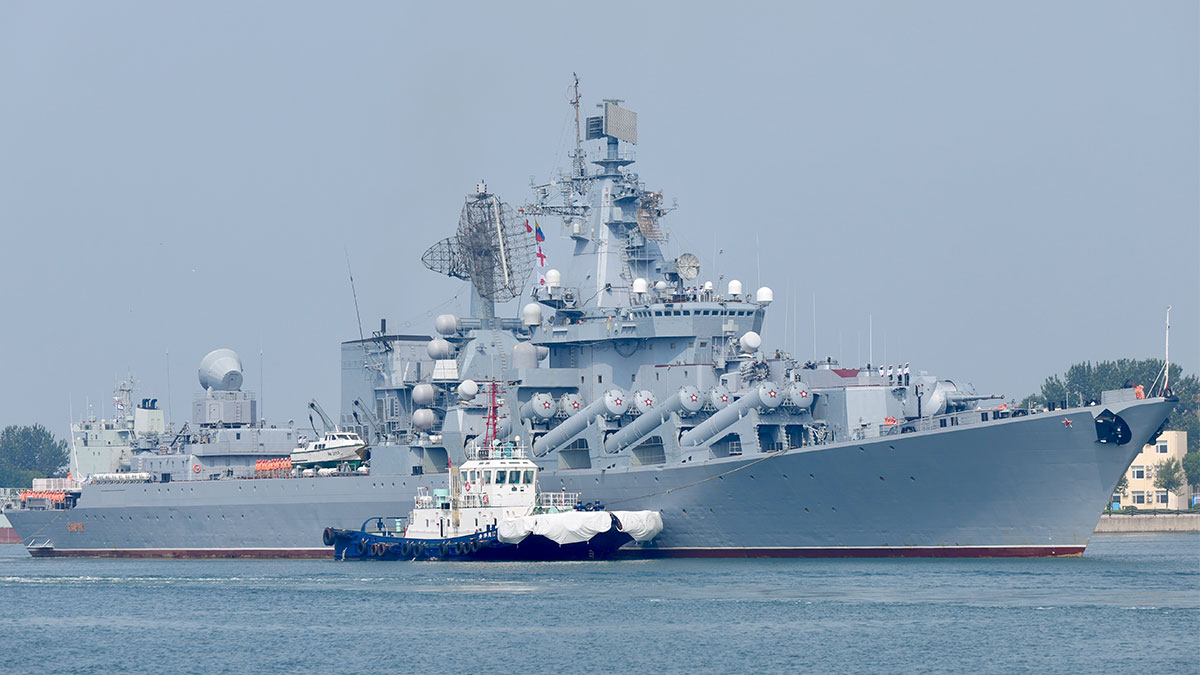
On July 6, 2026, China launched a long-range ballistic missile from a nuclear submarine in the Pacific, a move viewed with alarm by neighboring countries and the West. Coinciding with the start of new joint naval exercises between China and Russia, dubbed “Joint Sea-2026,” the Chinese People’s Liberation Army carried out the launch of a long-range strategic ballistic missile equipped with a simulated training warhead. The missile was fired from a nuclear-powered submarine into international waters in the Pacific Ocean and struck the designated maritime area with precision.
A Simple Essay: Beijing’s Official Position
This is a highly significant military event, as it marks the first public test of a missile launched from a Chinese submarine since 1982, and the first on record to be conducted from a nuclear-powered submarine, which gives it greater operational autonomy and the capability for prolonged deployment.
According to the state-run Xinhua News Agency and Chinese defense authorities, the exercise is strictly part of the schedule for its annual military training plan and “is not directed against any specific country or target.” Beijing maintains that the launch complied with international law, that the affected countries were notified in advance, and explicitly requested that the international community “not overinterpret the situation.”
Uncertainty in the rest of the world
Despite the Chinese government’s justifications, the test has drawn criticism from neighboring countries and U.S. allies in the region, who are demanding greater transparency in the face of strategic uncertainty. Japan has expressed “serious concern” over the maneuver: Japanese authorities had been alerted on Sunday by Chinese officials about the possible fall of space debris, although the missile ultimately landed outside Japan’s exclusive economic zone. For their part, Australian authorities have described the launch as “destabilizing,” noting that it comes amid China’s rapid military expansion. And New Zealand, through its Minister of Foreign Affairs, Winston Peters, has described the action as “an untimely and concerning development.”
Growth of China’s Military Power
This show of force is taking place against a backdrop of growing geopolitical instability. For some time now, Chinese naval activity in the Western Pacific has increased significantly, maintaining up to four operational naval task forces in the vicinity of Taiwan and setting a record by deploying more than 110 vessels along the first chain of islands separating the Chinese seas from the open Pacific.
The diplomatic climate is also fragile. The test coincides with a peak in diplomatic tensions with Tokyo, fueled by recent Chinese restrictions on the export of dual-use goods to Japan —which Beijing has justified by citing Japan’s alleged “remilitarization”—and by Chinese naval maneuvers very close to the Japanese island of Yonaguni.
With this unusual launch, China once again highlights the progress it has made in modernizing its strategic forces, reaffirming that the combination of nuclear submarines and ballistic missiles is a central pillar of its deterrence policy and its intention to project military capability far beyond its coastal waters.