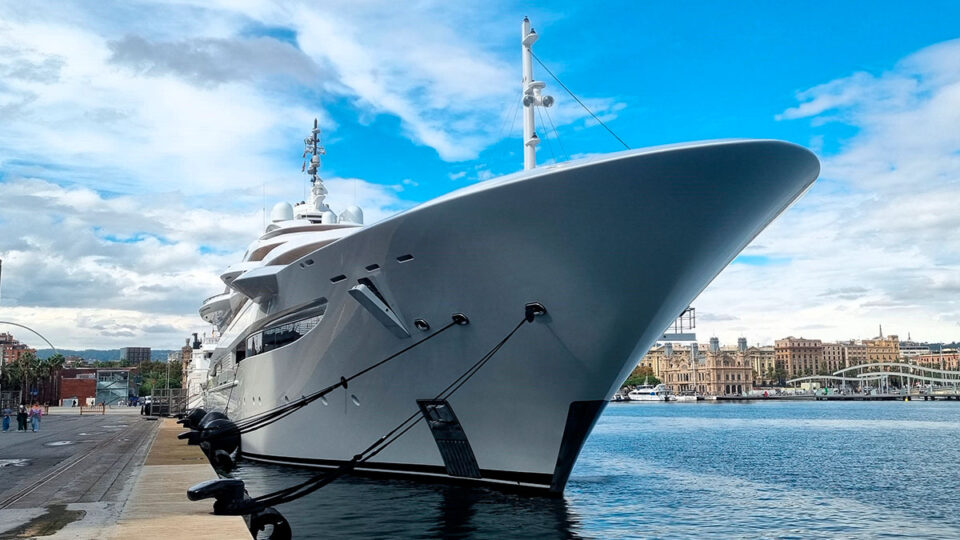








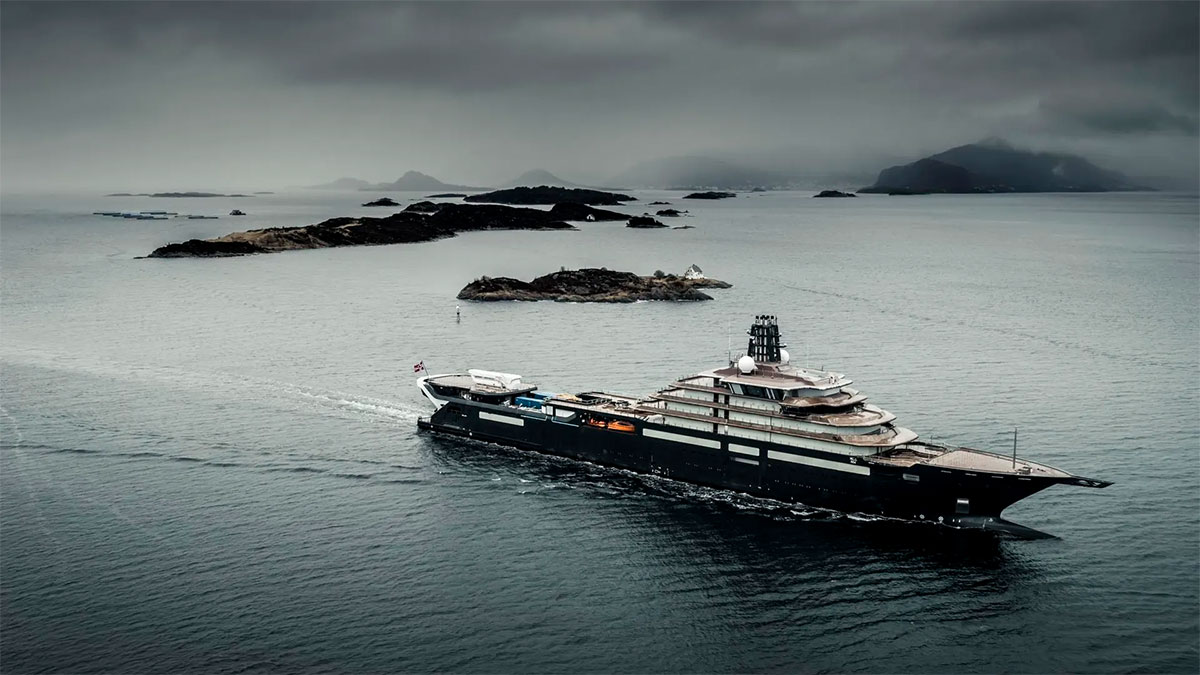
Most superyachts make headlines because of who owns them, where they’re anchored, or how much they cost. And, to be fair, the REV Ocean is best known for its size: at 639.4 feet, it has dethroned the Azzam as the world’s largest superyacht. But what truly sets this vessel apart is the purpose for which it was built.
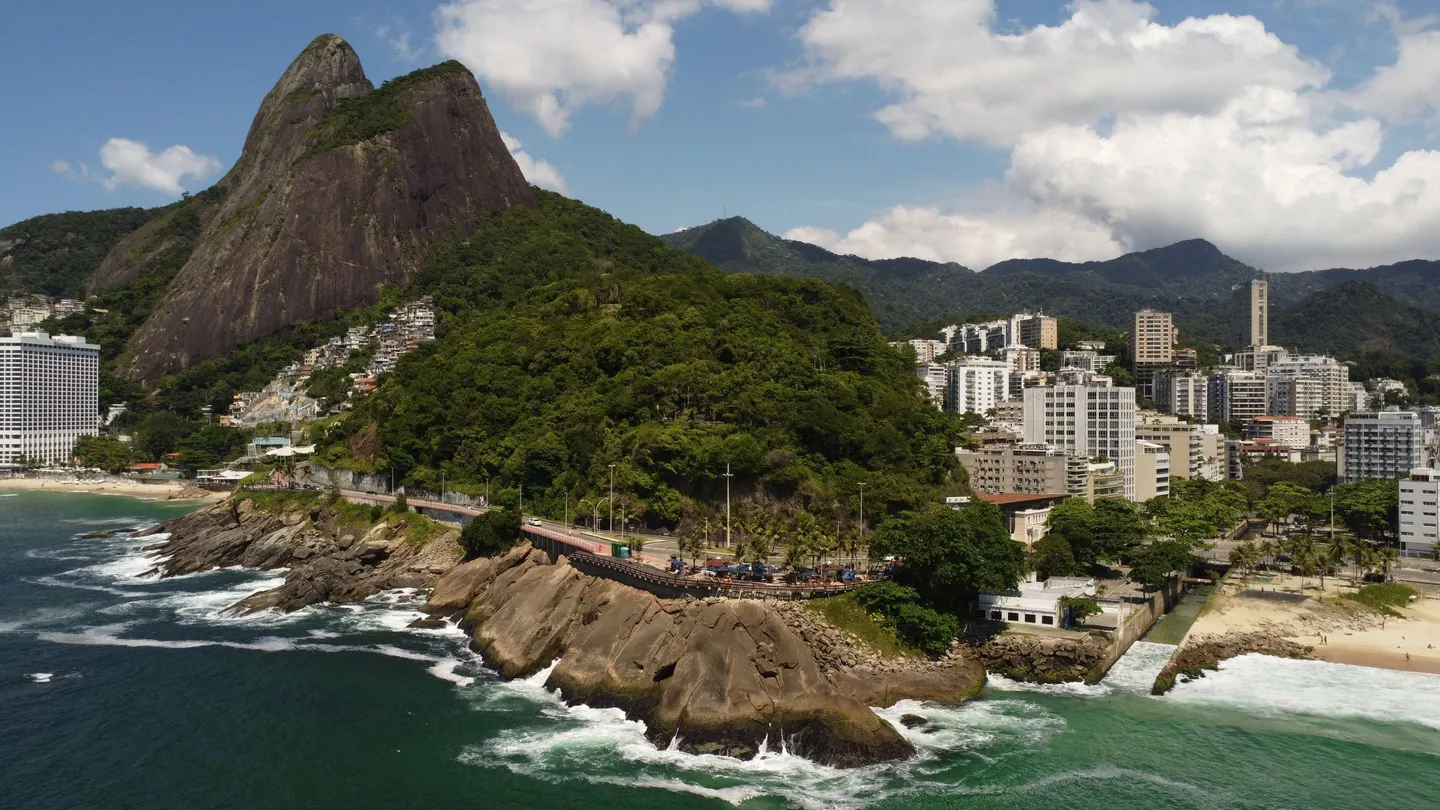
The team behind REV Ocean has offered an exclusive preview of its maiden voyage: a scientific program consisting of ten missions that will span the Atlantic, the Caribbean, and the Pacific, the full details of which will be unveiled at the UN Decade of the Oceans Conference, to be held in Rio de Janeiro in April 2027.
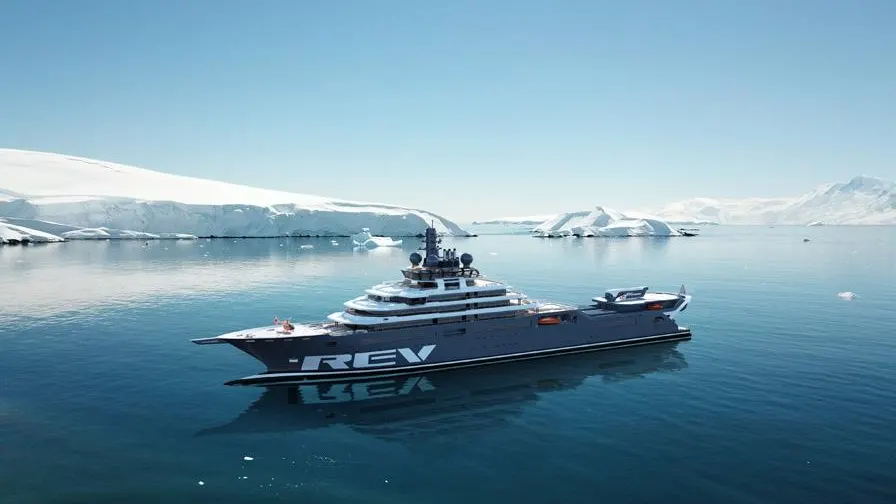
Few research vessels boast the design prestige of a superyacht. We have Espen Øino and H2 Yacht Design to thank for that. And even fewer are equipped with a submarine hangar, an onboard metalworking shop, and 3D printing facilities—infrastructure typically associated with government-funded research vessels—as well as plans to host documentary film crews from Disney and Netflix.
So, how will the REV Ocean’s incredible capabilities be put to use?
A research program consisting of 10 missions
Following its launch in Brazil next year, the REV Ocean’s maiden voyage will support 10 scientific missions over the course of 18 months, and each expedition will be designed around a common goal: to generate the scientific evidence needed to accelerate marine conservation efforts.
During the presentation, REV Ocean’s scientific director, Eva Ramírez-Llodra, stated that the program was at a “crucial moment” for global ocean conservation. She explained that governments are committing to ambitious conservation goals, including protecting 30% of the planet by 2030 under the Global Biodiversity Framework, but that the scientific data needed to validate these protection goals has been insufficient.
“We cannot protect what we do not know,” he said. “REV Ocean’s role is to help bridge that knowledge gap, while connecting science with policy, decision-making, and regional priorities.”
Exploring Some of the Least-Known Ocean Ecosystems
Among the first scheduled missions is an expedition to Brazil’s Vitória-Trindade Ridge, a vast system of underwater mountains that extends approximately 2,000 kilometers into the Atlantic Ocean. According to the mission director, Professor José Ángel Álvarez Pérez, the region represents one of the most scientifically intriguing marine environments in the South Atlantic.
“It is, essentially, a complete and interconnected chain of seamounts—undersea volcanoes—each with different ages, shapes, and depths that contribute to the diversity of deep-sea fauna,” Pérez explained. “This expedition gives us the opportunity to finally understand what lives in these vast and, to a large extent, mysterious habitats.”
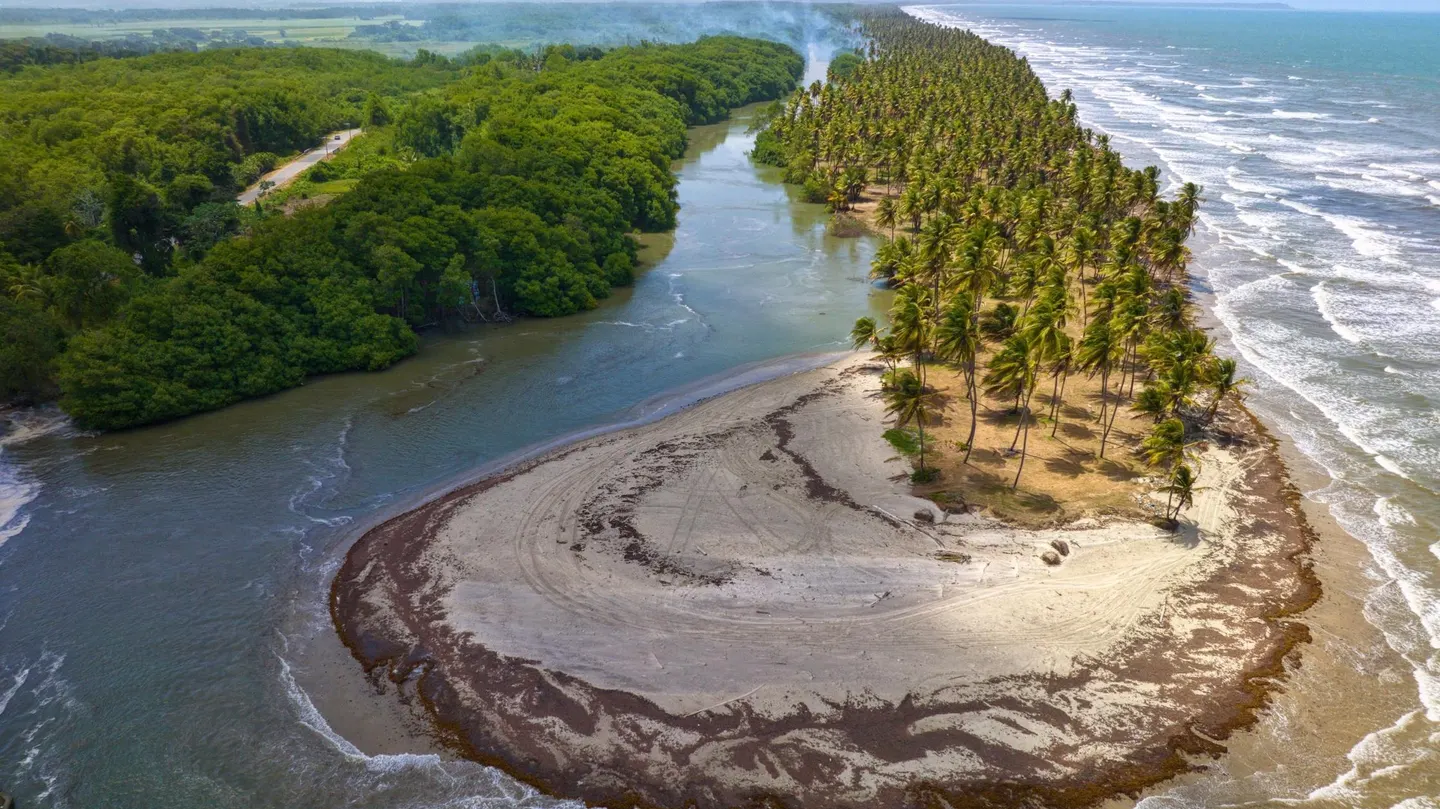
Another key component of this inaugural voyage will focus on the Caribbean Biodiversity Corridor, a multinational conservation initiative involving Cuba, Jamaica, Haiti, and the Dominican Republic. Researchers will study the region’s complex underwater landscape—crisscrossed by deep trenches and underwater mountain ranges—which, despite its great ecological importance, remains surprisingly unexplored.
“For a long time, conservation efforts in the Caribbean focused on shallow waters,” explained Jonathan Delance, head of the mission and a member of the Dominican Republic’s Ministry of the Environment. “Mangroves, seagrass beds, and corals… are all essential elements, but the deep ocean makes up the majority of the Caribbean. We need to learn more about it.”
REV Ocean: More Than Just a Research Vessel
After each expedition, a week-long meeting will be held in port, bringing together scientists, policymakers, funders, and stakeholders from the region while the findings are still fresh. The idea is to shorten the often lengthy gap between data collection and decision-making: although researchers may still need years to fully analyze their results, preliminary findings can serve as an immediate basis for discussions on a region’s conservation potential and management.
This maiden voyage will also serve as a crucial “learning phase” for the REV Ocean and its crew. “Not only will we optimize the ship, the equipment, and the onboard work processes for sampling and data collection, but we will also test how the REV Ocean functions as an integrated platform,” explained Ramírez-Llodra. “Experts in science, policymaking, data sharing, education, and communication—they’ll all be on board, working together toward a common goal.”
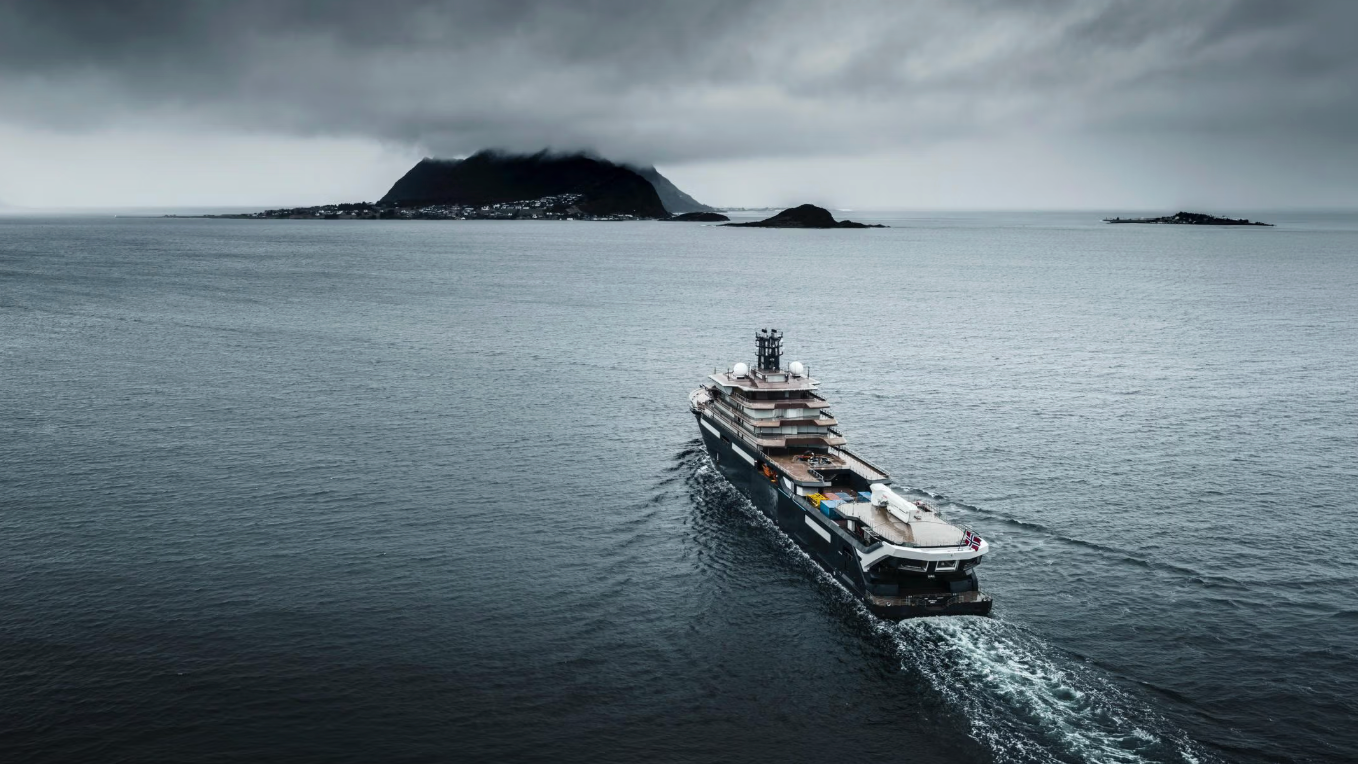
Once delivered, the REV Ocean is expected to spend about 25% of its operational life chartered by Burgess, with that revenue helping to fund its philanthropic mission. But long before the first charter guests come aboard, the REV Ocean will host scientists as they explore the planet’s least-known corners (and the depths of the ocean).
If successful, the program could lay the groundwork for future research missions and make a tangible difference in ocean conservation policy. That is a legacy far greater than simply being the world’s largest superyacht.