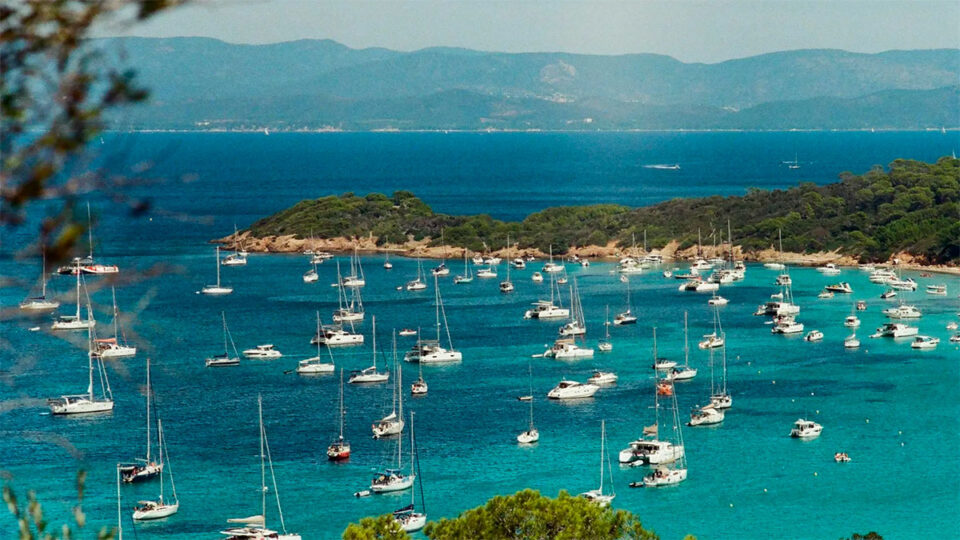








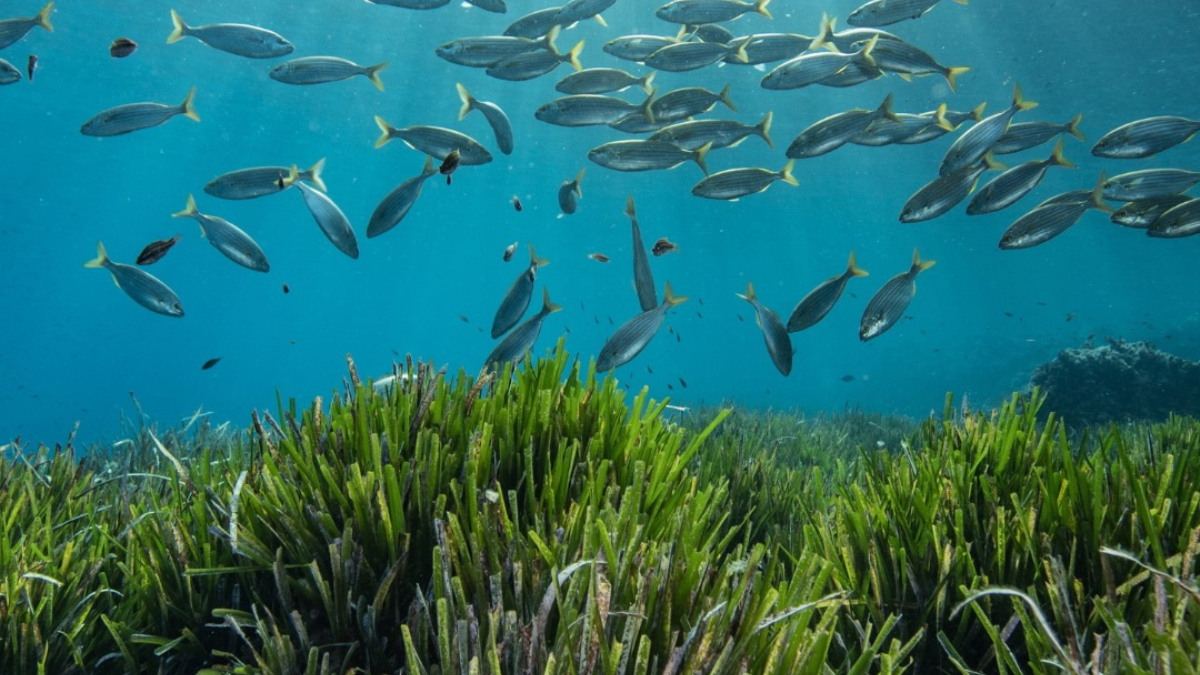
While millions of people gaze at Formentera’s turquoise waters every summer from boats, beaches, or beach bars, something far more important is happening beneath the surface. Divers are planting the Mediterranean.
With slow, almost surgical movements, underwater teams have been working for months to reintroduce Posidonia oceanica seagrass in degraded areas of the Ses Salines Natural Park on Ibiza and Formentera. They are doing so meter by meter, plant by plant, in an effort to restore one of the most valuable—and also most threatened—ecosystems in the Balearic Islands.
The project, led by the Vellmarí association in partnership with the MSC Foundation, has already become one of the major marine restoration initiatives in the Spanish Mediterranean. And it’s not just about environmental conservation. What is at stake is much deeper: the ecological balance that sustains the very beauty of the islands. Because Posidonia is not simply an underwater plant. It is the reason why the sea off Formentera has that impossible color.
Seagrass beds filter the water, produce enormous amounts of oxygen, capture CO₂, and function as veritable underwater forests that are home to hundreds of marine species. Without them, much of the seabed in the Balearic Mediterranean would be barren, less clear, and far more vulnerable to erosion and climate change.
This is a strategic priority that is closely monitored by the nautical sector and specialized publications such as Nautik Magazine, which recognize that the future of boating, tourism, and the Balearic Islands’ unique Mediterranean way of life depends directly on the health of their marine ecosystem.
The data underscores the urgency. In just one year, the project has already successfully transplanted more than 15,500 Posidonia shoots across an area of 600 square meters within a protected zone designated a UNESCO World Heritage Site. And the plan goes much further: the partnership between the MSC Foundation and Vellmarí aims to restore nearly 45,000 plants across 2.5 hectares over the next three years.
Behind this initiative is Manu San Félix, a marine biologist, underwater photographer, and National Geographic explorer—one of the most respected voices in marine conservation in Spain. For decades, he has been studying the decline of the Balearic seagrass beds and warning about the rapid rate at which the Mediterranean is losing biodiversity.
The threat is real. Over the past 50 years, the Posidonia seagrass beds in the western Mediterranean have lost about a third of their area due to human impact: unregulated anchoring, sewage, tourism pressure, trawling, and rising sea temperatures. And the consequences are directly affecting the Balearic Islands.
Posidonia doesn’t just produce oxygen. It also protects beaches from storms, stabilizes the sand, and keeps the water clear. In fact, nearly 80% of the sand on some beaches in Ses Salines Natural Park comes from the biological activity of this marine plant.
Without Posidonia, the landscape of the Balearic Mediterranean would change radically
Underwater work isn’t easy either. Divers carefully secure each shoot to the seabed using special anchoring systems that allow the roots to take hold over time. Underwater, simply planting isn’t enough: you have to ensure that the currents don’t wash away the new life before it has a chance to take root. And perhaps that is where the true significance of the project lies.
As the Mediterranean faces unprecedented environmental pressure, Formentera is quietly working to restore what almost no one sees, yet on which absolutely everything depends. Because protecting Posidonia isn’t just about saving a marine plant. It means protecting the color of the water, marine life, the beaches, the landscape, and, ultimately, the very identity of the Balearic Mediterranean.