







There are people who have visited virtually every exclusive corner of the globe, and yet they always end up returning to the same place. Not out of habit. Nor out of nostalgia. They do it because certain destinations offer something that modern luxury rarely does: a genuine sense of disconnection.
That is exactly how Valentino Rossi described Ibiza on the Italian podcast Tintoria. The nine-time MotoGP world champion—a figure who has spent half his life traveling between racetracks, hotels, and far-flung cities—summed up his relationship with the island in a simple yet revealing phrase:
“I’ve traveled all over the world, but for me, Ibiza is the most beautiful place of all.”
It wasn’t a promotional statement. Nor was it a prepared line. It sounded more like the honest confession of someone who, having seen it all, found something in Ibiza that’s hard to replicate. And perhaps that’s the key to why the Balearic Islands are currently experiencing one of the most internationally magnetic periods in their history. Because Ibiza no longer markets itself solely as a tourist destination. It has become a global emotional symbol. For years, the international narrative about the island was dominated by partying. DJs, nightclubs, yachts, celebrities, and endless nights built a brand recognizable anywhere in the world. But Ibiza’s true transformation occurred when it stopped being just a place to go out and began to become a refuge.
That is precisely what Rossi describes when he talks about the island.
The chance to experience two completely different worlds without ever leaving the same area. To go from absolute chaos to total silence in a matter of minutes. To eat at a beach club filled with music and end up watching the sunset in a nearly empty cove. To get little sleep for three days or disappear from the world for a whole week.
“He’s got it all,” said the Italian.
And behind that seemingly simple phrase lies something much deeper: Ibiza has managed to become one of the few European destinations capable of adapting to every facet of contemporary exclusivity. Because luxury no longer means just money. It means time, privacy, a break from it all, space. Freedom.
And the Balearic Islands realized earlier than many other regions that the new premium tourism isn’t just about five-star hotels. It’s about emotional experiences that are hard to replicate. That’s why names like Valentino Rossi keep coming back.
Valentino Rossi’s connection to Ibiza
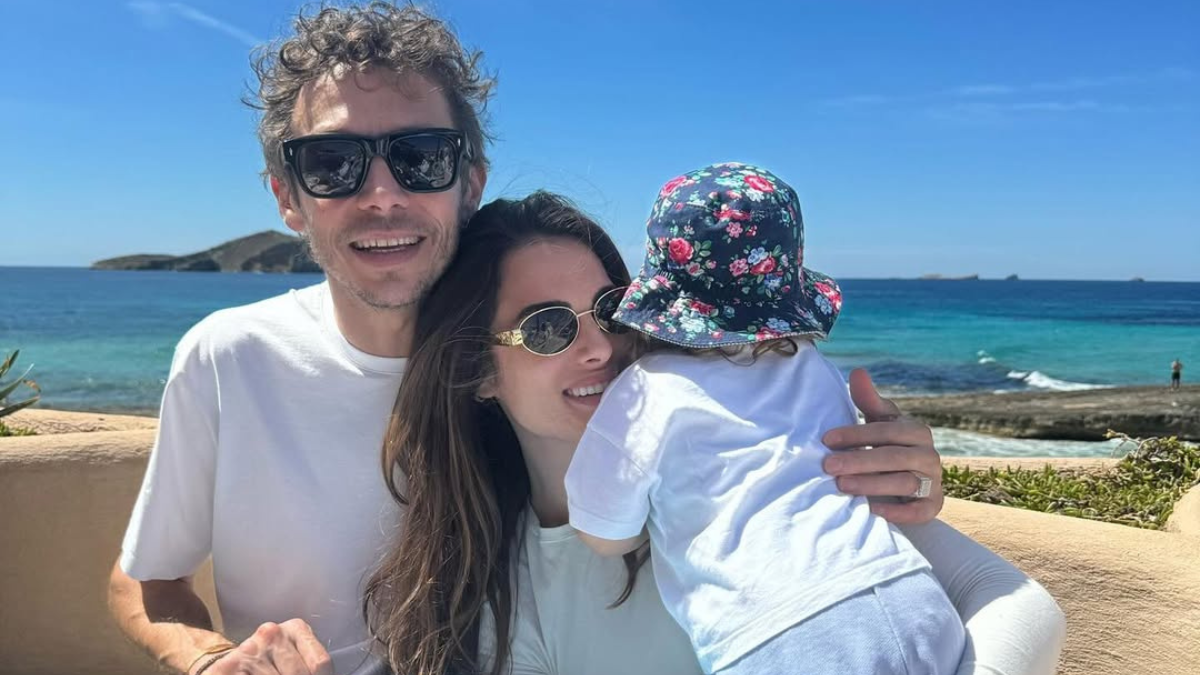
The former Italian racing driver has had a close connection with Ibiza for years. He has been photographed time and again enjoying family vacations, boat trips, and summers with close friends on the island. But his connection goes beyond the classic image of a celebrity at an exclusive destination.
Rossi represents a generation of international celebrities who found in the Balearic Islands something rare in the modern Mediterranean: authenticity blended with global sophistication.
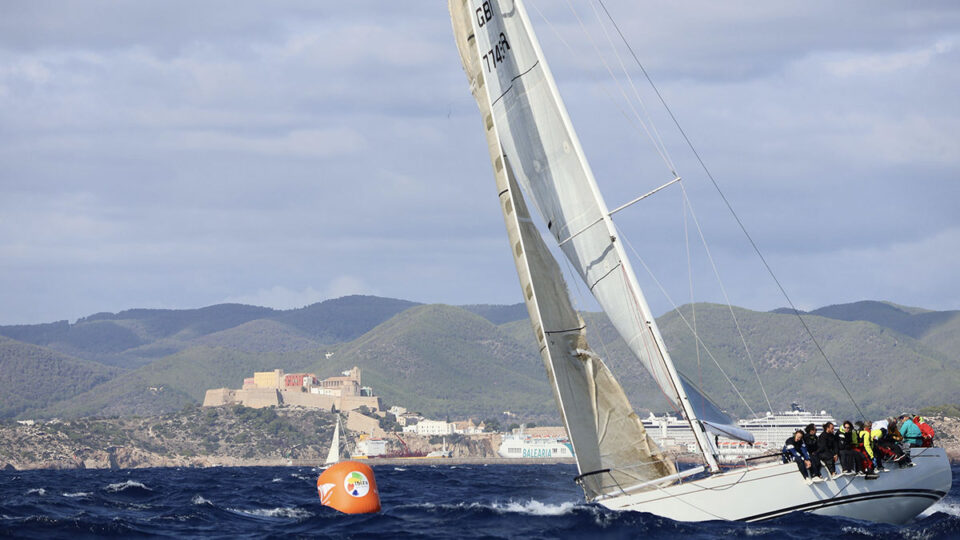
That balance is extremely difficult to maintain. And that is precisely why Ibiza has become an economic and cultural anomaly. The island welcomes millions of international visitors each year and boasts some of the highest hotel rates in Europe during peak season. Luxury villas that easily exceed 20,000 euros a week, private moorings with impossible waiting lists, and restaurants where getting a table in August has become almost an elite sport. But at the same time, Ibiza continues to sell a sense of almost hippie-like freedom. That contradiction is its real business.
Visitors feel as though they are entering a place where it is still possible to escape the usual hustle and bustle of the world. Rossi put it exactly that way in the podcast: Ibiza has a certain “bubble” quality to it, a sense of being completely disconnected from the mainland. And in 2026, that is more valuable than ever.
We live in an economy where hyperconnected people are beginning to pay huge sums of money to feel temporarily disconnected from the system. The Balearic Islands, particularly Ibiza and Formentera, have become one of the main hubs of this global trend.
It’s no coincidence that tech entrepreneurs, athletes, artists, and international investment funds are increasingly turning their attention to the islands. Because Ibiza is no longer competing solely with Mykonos, Saint-Tropez, or Capri. It’s competing with any place in the world capable of offering emotional exclusivity.
Here we see another interesting phenomenon: the international legacy that figures like Valentino Rossi leave behind for the Baleares brand.
Every time a global figure refers to Ibiza as “the best place in the world,” the island gains something far more valuable than publicity: aspirational legitimacy. It doesn’t come across as a destination pushed by marketing campaigns, but rather as a place genuinely chosen by people who could be anywhere else. That has a huge impact.
Especially in an era when travel decisions are shaped more by personal experiences than by traditional advertising. Rossi doesn’t talk about extreme luxury. He doesn’t boast about hotels. He doesn’t mention exclusivity. He talks about sensations. About the sea. About youthful energy. And perhaps that’s why his narrative resonates so deeply with the true identity of the Balearic Islands.
Because behind the image of partying and excess, the islands continue to offer something far more powerful: the feeling of living outside of time.
The problem is that this success is also beginning to create visible tensions. Record growth in tourism, pressure from the real estate market, and steadily rising prices are transforming the social balance of the islands. For years, Ibiza has been grappling with intense debates over sustainability, access to housing, and overcrowding during the high season. Paradoxically, the more exclusive the island becomes, the harder it is to preserve what made it special. And that will likely be the Balearic Islands’ greatest challenge over the next decade: how to remain a global icon without losing its authenticity;
how to maintain its international appeal without becoming an artificial setting designed solely for luxury tourists. Valentino Rossi, unwittingly, perfectly summed up that modern contradiction of Ibiza.
Because in a world where almost all destinations are starting to look alike, Ibiza still retains something that can’t be easily manufactured: its own unique character.