









Spanish cinema turns its gaze to the sea with “Dos días,” an emotionally charged film that tells the story of two elderly fishermen stranded at sea after their boat breaks down. With its austere cinematography and deeply human narrative, the film stands out as one of the most sensitive and thought-provoking Spanish releases of the month.
An intimate account of human fragility at sea
“Two Days” builds its tension through simplicity. The film follows two veteran fishermen who, after suffering a mechanical failure while out at sea, find themselves stranded with no immediate hope of rescue. From this minimalist premise, the film weaves an emotional portrait of the passage of time, friendship, and survival.
Far from relying on spectacle or excessive drama, the production opts for a restrained and contemplative narrative, in which silence, the seascape, and the conversations between the two protagonists take on essential significance.
The film is part of a trend in contemporary Spanish cinema that emphasizes human stories and natural settings as a means of evoking emotion.
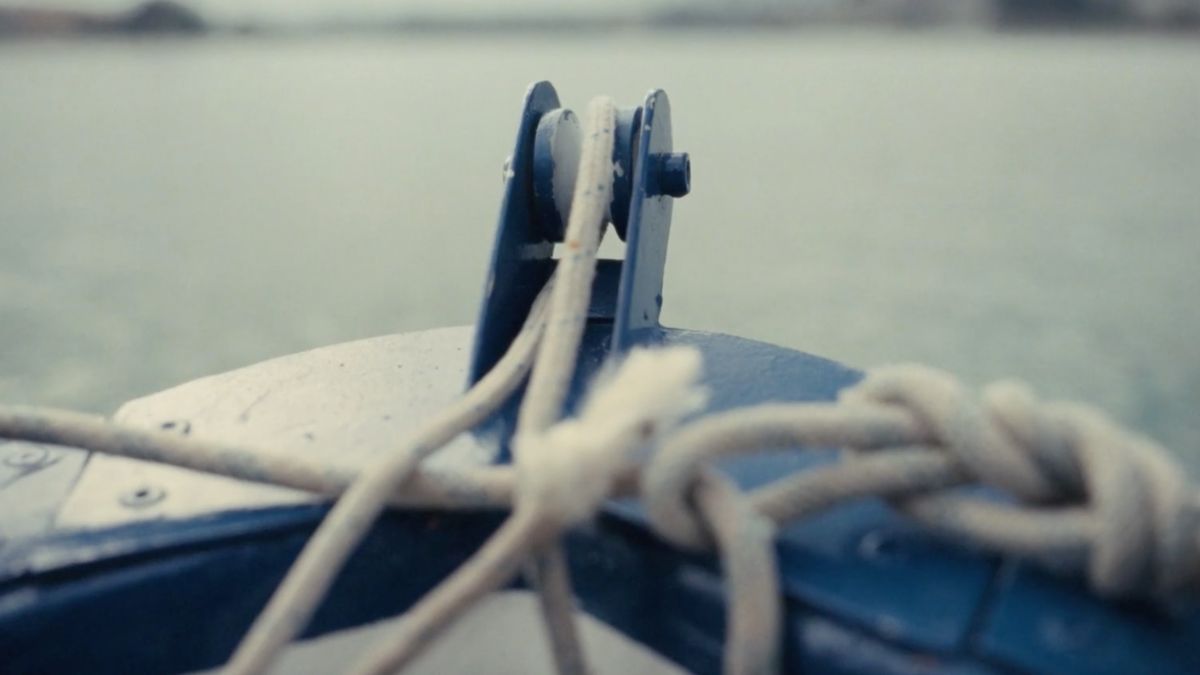
The sea as a physical and psychological setting
One of the great strengths of “Two Days” lies in its portrayal of the maritime setting. The ocean serves not merely as a backdrop, but as a constant narrative presence that shapes the pace, the mood, and the development of the characters.
The sense of isolation, the unpredictable weather, and the vastness of the horizon reinforce an atmosphere of vulnerability that ties directly into the tradition of European maritime cinema.
Visually, the film relies on wide shots, naturalistic cinematography, and understated direction that avoids artifice. The result is an immersive and deeply sensory experience.
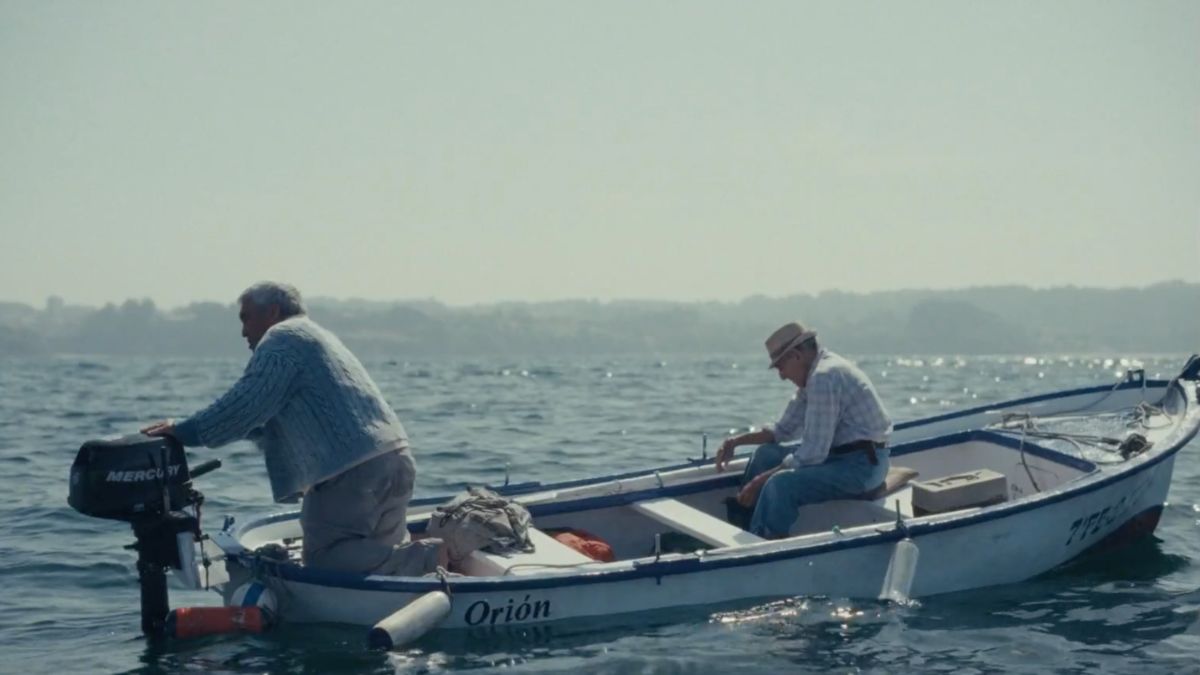
Two veteran leads carry the emotional weight of the film
The performances of the two fishermen at the center of the film form its dramatic core. Both characters represent generations shaped by the harshness of life at sea and by an almost existential connection to seafaring and traditional fishing.
As the hours drift by, memories, personal conflicts, and reflections on old age, loss, and the meaning of life come to the surface. It is precisely in these restrained dialogues that the film finds its greatest narrative strength.
The chemistry between the actors and the realistic tone of the performances reinforce the authenticity of a story that avoids cheap sentimentality.

A major release in Spanish cinema in 2026
With its theatrical release this month, “Dos días” stands out as one of the most unique Spanish films of the season. Its blend of psychological drama, a maritime setting, and visual sensitivity makes it a particularly appealing film for viewers interested in auteur cinema and stories with a human touch.
In addition, the film sheds light on a world that is underrepresented in contemporary fiction: that of veteran fishermen and traditional maritime culture, which is explored here from an intimate and respectful perspective.
Maritime cinema with a Spanish identity
In an audiovisual landscape dominated by big-budget productions and fast-paced narratives, “Dos días” champions a slower-paced, reflective style of filmmaking that is deeply connected to the maritime environment.
The film demonstrates how the sea remains an inexhaustible source of stories capable of exploring universal emotions. And it does so from a Spanish perspective—intimate and elegant—that fits perfectly with the sensibility of contemporary European cinema.