







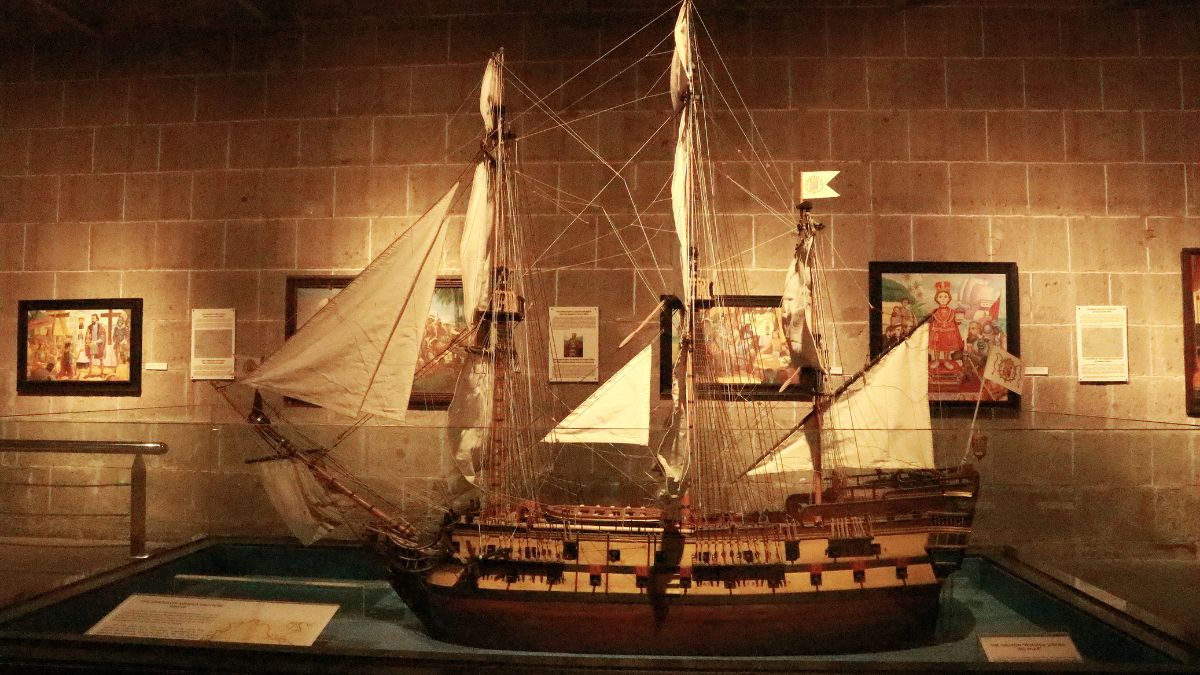
The new Manila Galleon Museum opens its doors in the bay of the Philippine capital with an immersive exhibition that reconstructs the historic trans-Pacific route between Asia and the Americas, considered one of the first global maritime trade networks.
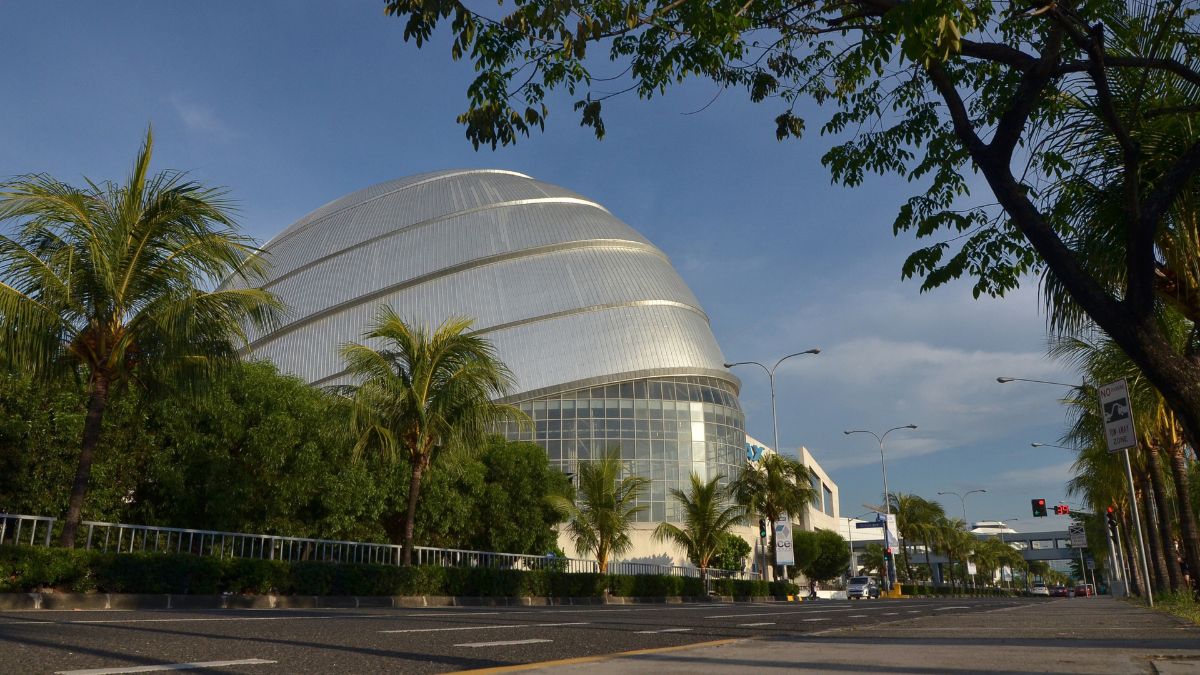
The newly opened Galleon Museum, located in the Mall of Asia complex in Pasay (Manila), offers a technical and cultural journey along the maritime route that connected the Philippines with Acapulco for more than 250 years. This oceanic corridor facilitated the exchange of goods, cultures, and knowledge between Asia, the Americas, and Europe, constituting one of the earliest systems of modern globalization.
The museum complex was established with a clear educational mission: to reinterpret the Manila Galleon trade from a Filipino perspective, highlighting both its economic significance and the human conditions that made its development possible.
The replica of the ‘Espíritu Santo’, exhibition centerpiece
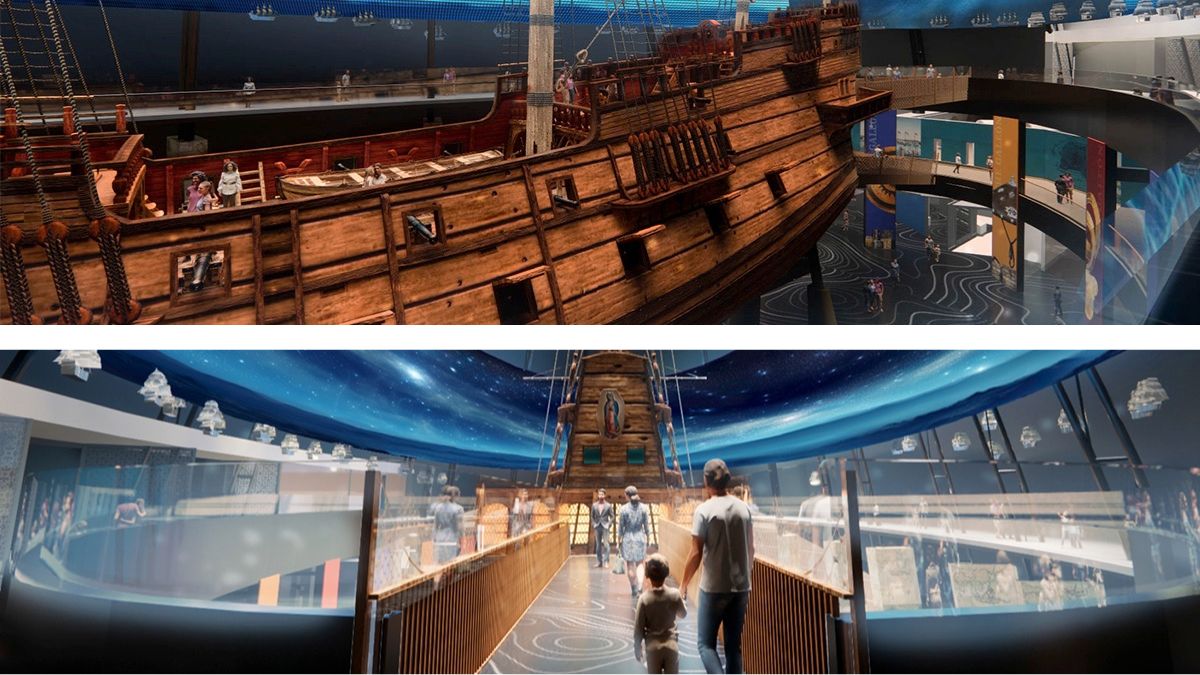
The centerpiece of the museum is a full-scale replica of the galleon *Espíritu Santo*, originally built in 1603 in Philippine shipyards. The structure, which is approximately 40 meters long and 30 meters high, allows visitors to walk around its decks and appreciate the technical complexity of these ocean-going vessels.
The interior faithfully recreates life on board: from the cargo holds—where silver, spices, and textiles were transported—to the crew quarters, which were marked by cramped, precarious conditions during voyages that could last for months.
The exhibition design also incorporates immersive technology, such as astronomical projections that simulate navigation by the stars—a key element in the navigation of 17th-century sailors.
Philippine shipbuilding: the true origins of the galleon
One of the most significant aspects of the exhibition’s narrative is the recognition of the Philippines’ role as a center for galleon construction. Although the route is traditionally associated with Manila, the ships were built in areas such as Cavite, where the necessary technical expertise and human resources were available.
The museum emphasizes that it was Filipino sailors and artisans—in many cases forcibly recruited—who made this global maritime enterprise possible. This perspective offers a critical examination of the human cost of Spanish commercial expansion in the Pacific.
A maritime legacy with a contemporary outlook
Beyond its historical significance, the Galleon Museum establishes a direct link to the present day: the Philippines remains one of the world’s leading suppliers of seafarers.
The museum project, with a budget of over 14 million euros, aims to become a leading center for the study of Pacific naval history, as well as a venue for promoting global maritime culture.
With this approach, the Manila Galleon ceases to be merely an episode from the past and instead emerges as a symbol of transoceanic connections, cultural exchange, and technological advancements in navigation.