






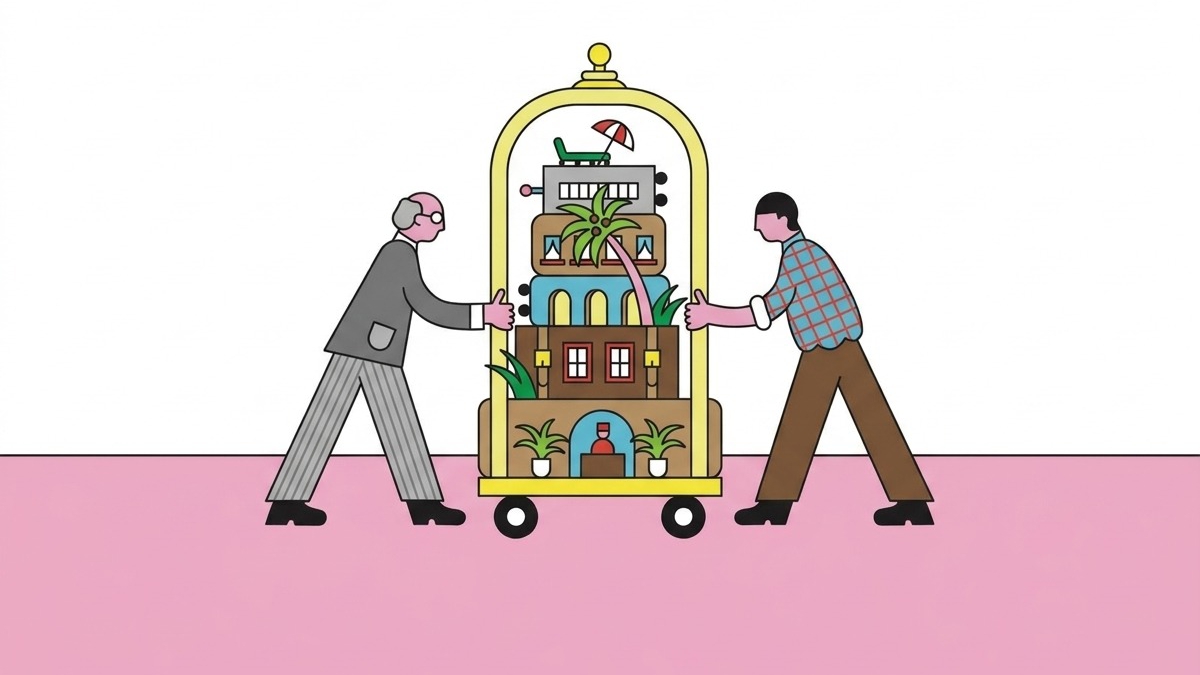
The writer and paleontologist Juan Luis Arsuaga argues that decrepitude does not exist in nature; rather, it is a byproduct of human civilization and its constant quest to prolong life. In the wild, there is either fulfillment or death. There are no middle grounds, save for a few rare exceptions. A gazelle must run at 95 kilometers per hour to escape a cheetah; if it slows to 90 kilometers per hour, it’s all over. The world of big business follows similar patterns, especially in the hotel industry—a highly competitive, demanding, and constantly evolving environment; the Darwinian laws that govern it require companies to maintain their edge indefinitely or step aside. Those are the rules. And that means handing over the helm from time to time. Accustomed to operating at the forefront of the competition for decades, the major Mallorcan hotel chains have made generational succession a natural part of their long-term evolutionary process. The present is precisely a time of change for some of these family-owned businesses, with the new faces of each dynasty now stepping into the spotlight. It is the next step in managing a legacy that grows with each generational handover.
“To speak of generational succession is, in reality, to speak of evolution. Each generation of our family has had to face different challenges, shaped by the economic, social, and business context of its time.” The speaker is Simón Pedro Barceló Vadell, who has taken on the sole role of CEO of Barceló Corporación Empresarial (a position he holds alongside his role as the group’s chairman) following the resignation of his cousin, Simón Barceló Tous, as an executive. This development positions him as both the central figure and the conductor of a transition toward a fourth generation in a family-owned company with more than 90 years of history. Just this year, he indicated that he plans to step down from his executive duties around 2031, coinciding with the group’s centennial. Xavier Riera, the eldest of the cousins, coordinates all meetings open to members of the fourth generation—gatherings aimed at fostering cohesion among this group of up to 19 future partners.
The Americas as a Training Ground
The Americas—so closely linked to the history of the pioneers of Majorca’s major hotel chains—is the arena chosen for the leaders of this fourth generation to prove themselves. Barceló Tous, who remains co-chairman, also oversees the Management Committee in Mexico to ensure an orderly transition. He is working alongside his nephew Antonio Tovar Barceló (son of his sister Antonia Barceló Tous), who has been named CEO of the group in Latin America. Meanwhile, the CEO’s daughter, Marta Barceló Fontirroig, has assumed the presidency of the North American subsidiary, Crestline Hotel & Resorts, and more recently (last September) was named vice president of EMEA, the division covering Europe, the Middle East, and Africa.
“The continuity of a family business requires understanding not only what decisions are made, but also why they are made.” The family views succession as “a gradual process” in which the new generation must gain an in-depth understanding of the business as they gradually take on more and more responsibilities. It is a path that is paved over time and with care to ensure the proper transmission of the legacy and the values that underpin it. The perspectives of those joining the company are not conflicting, they insist, but rather complementary. That is precisely why the company emphasizes that open and fluid dialogue between the different generations is absolutely essential.
“The hardest step is always the first one. The first generation founded the company; the second drove its expansion and established the tourism business as a strategic pillar; and it fell to the third generation to transform Barceló into a multinational, professionalized group with a more complex structure than it had in its early days.” The business reality that the new generation is now entering is significantly different, he insists, emphasizing that for this very reason, it is a process that requires time, planning, responsibility, and generosity. “It is not a matter of replacing one group of people with another, but rather an orderly succession that must ensure the continuity of the project and preserve what gives it its identity.” Preserving the values he refers to requires a renewal that only young people can set in motion. “Each generation brings a perspective unique to its time,” says Simón Pedro; this latest generation brings unique perspectives on digitalization, innovation, and sustainability, as well as “a new way of understanding the expectations of travelers and society.”
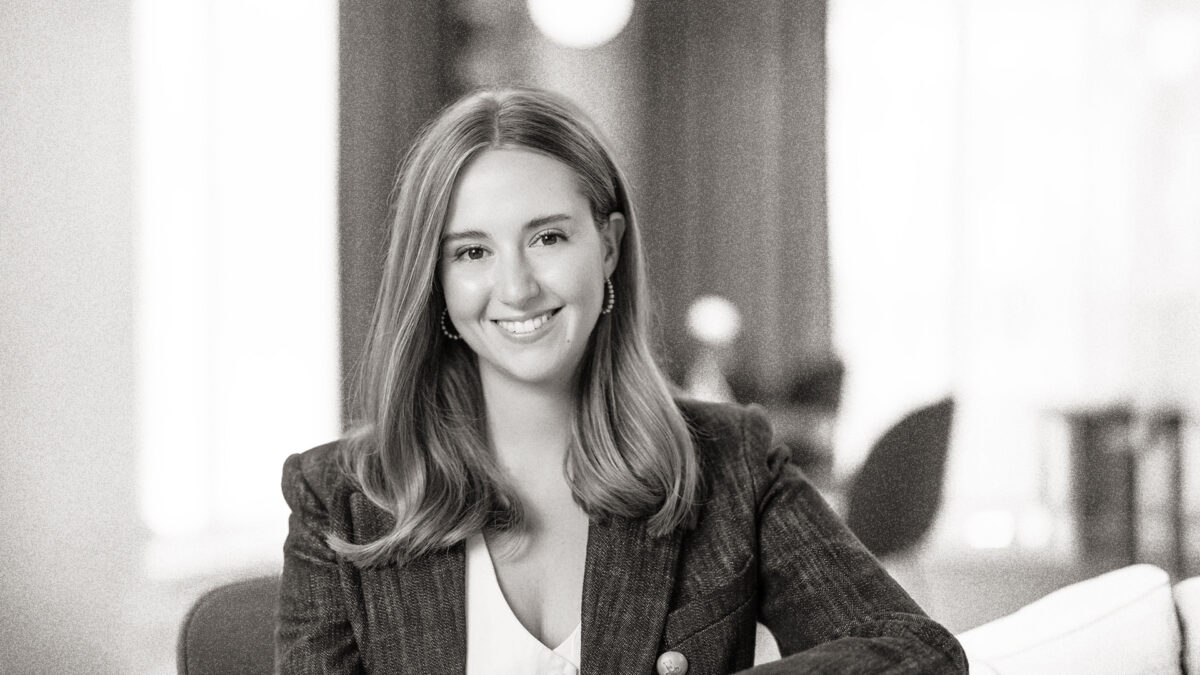
The Americas were also the chosen location for Joan Trian Riu to take the next step on his path to leadership of the hotel group. The son of Carmen Riu, at 43 years old, he is the oldest member of the fourth generation of RIU Hotels & Resorts. He is a member of the company’s board of directors and, since last year, has served as executive director of operations for the Americas. He is also taking on institutional representation duties. “My cousins and I each have our own areas of responsibility, and we are preparing for the day when Luis (Riu, his uncle) retires,” explains Trian Riu, emphasizing that this is a highly structured process that also involves an external advisory team to ensure it is carried out in the best possible way.
Family discussions, part of the process
Carmen Riu’s retirement in July 2024 left her brother as the sole CEO and marked the beginning of this new phase, in which all members of the new generation led by Joan Trian have gradually taken on greater responsibilities, including Luis’s three children—Roberto, Naomi, and Luis, all in their thirties—and Joan’s sister, Lola Trian Riu (42). The goals of these changes also include strengthening key executive positions while “maintaining the balance and understanding that have characterized the family’s management of the company throughout its more than 70-year history.”
The assignment of roles, likewise, was not random but rather the result of a careful training process tailored to the sensibilities, concerns, and abilities of each member of the new cohort.Meanwhile, Luis Riu continues to oversee the operations of all departments from the command center, as well as the progress of renovation projects and the expansion of hotels worldwide.
Joan Trian himself acknowledges that, when it comes to business matters, being part of the same family does not imply a monolithic vision or the absence of internal debate: diversity of opinion is healthy, as well as inevitable. Even if it sometimes spills over into Sunday dinners. “We don’t agree on everything, and disagreeing with a coworker isn’t the same as disagreeing with a family member you have to sit down and eat with at the same table that very Sunday or on Christmas Eve.”
The Iberostar Group is also well into its seventh decade—although the family-owned company, rooted in the footwear industry, has a century and a half of history—and is consolidating the leadership of its fourth generation. Miguel Fluxà remains chairman and the majority shareholder, but much of the day-to-day management and strategic control now rests with his daughters, Sabina and Gloria Fluxà.
The former is leading the brand’s global transformation from her position as CEO, focusing on talent development and a commitment to transitioning toward a more responsible model of tourism. For her part, Gloria, who is passionate about the oceans, leads the company’s sustainability strategy through the Iberostar Wave of Change initiative, which focuses on innovative solutions to address climate change and the new challenges facing environmental preservation. As at Riu, the sisters’ personal interests and affinities have also served as a guide in defining the roles each will assume in the company they will inherit.
Rather than a generational transition, “we prefer to talk about the evolution of leadership: a gradual process in which different generations coexist and contribute based on their own strengths,” the group notes. Intergenerational coexistence, they emphasize, is key to achieving the brand’s goals—an indispensable element in a family business for “naturally passing on the company’s values and enriching the decision-making process.” Iberostar emphasizes its desire to always maintain continuity to ensure the smooth operation of the business model and the long-term stability of the project.
The First Passing of the Baton
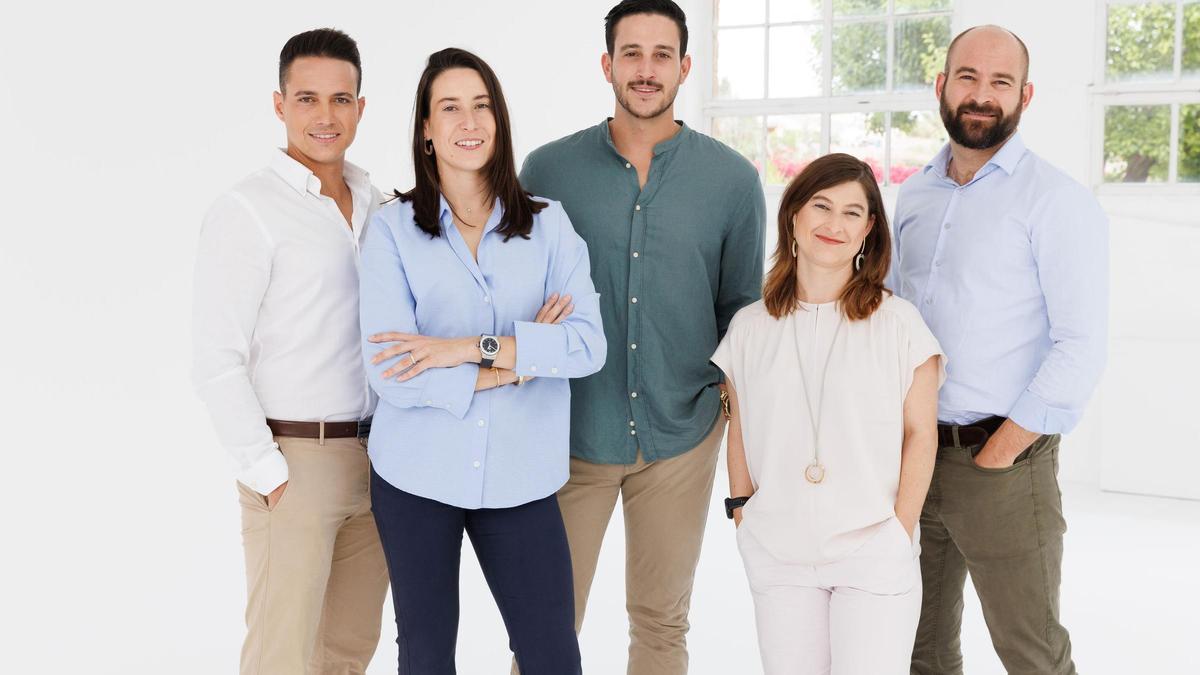
Other Mallorcan brands are experiencing this generational transition for the first time. “It is an act of generosity by the founder toward his successors.” That’s how María Antonia Llull, vice president of Hipotels Hotels & Resorts, describes the generational transition. As with Iberostar, the process is now fully established: founder Juan Llull has delegated management to his three daughters, with María Antonia at the helm. Despite having already entered his nineties, the patriarch remains very active, as he continues to serve as chairman and remains the leading figure. From this vantage point, he oversees the first transfer of power in the history of the empire he himself began to build with the construction of his first hotel in 1970.
“It’s not easy to relinquish power and control over something you’ve created with so much effort and dedication,” says the eldest daughter, adding that this is a step that requires complete trust in the decisions of the successors. “Above all, there must be respect on both sides: the founder must trust, and the successors must value a job well done.” Both she and her sisters—Luisa (head of the Design and Decoration department) and Gabriela (head of the Sustainability division)—have taken on this challenge after a lifetime dedicated to growing the family business. In María Antonia’s case, she has 25 years of professional experience at the company, during which she has worked in multiple departments—another key ingredient in the learning process emphasized by the generations handing over the reins: the need to know the ins and outs of every corner of the empire.
The leadership changes at the top of the company also coincide with changes in the workforce, both at headquarters—where the staff has been significantly rejuvenated—and among external consultants, who also represent a new generation. All of this is aimed at continuing on this path under the guiding principle of controlled expansion and the preservation of the family business’s values. “We want to do things the way they’ve always been done, but we also need to adapt all our processes to keep up with the times and meet market demands so we don’t fall behind.”
Preserving and Enhancing the Legacy
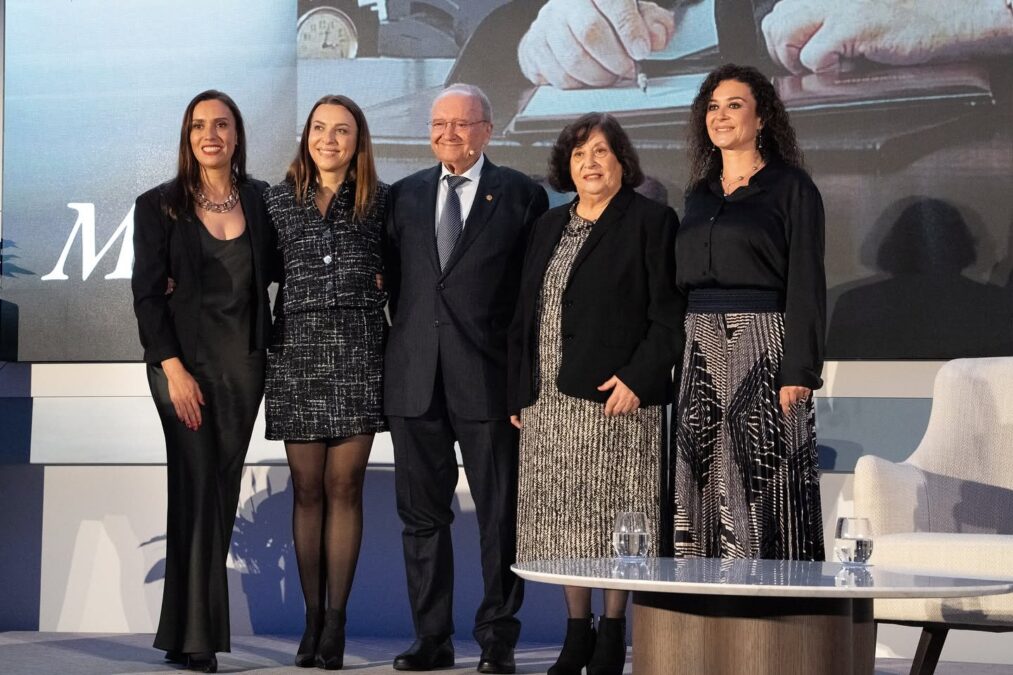
Garden Hotels emphasizes a balance between continuity and renewal. “New paths, same roots.” The chain has successfully transitioned to the second generation and is now gradually integrating the third generation into its senior management. As a result, the grandchildren are taking on key roles in marketing, development, and new lines of business under the watchful eye of the founder, Miquel Ramis, and his daughter Magda Ramis, the current vice president. Her son, Gabriel Llobera Ramis, who heads the Marketing and Communications department, is the most visible face of this third generation. The future, they insist, is built with care. “It’s not simply a matter of passing on names. Business succession isn’t just about deciding who will lead tomorrow, but about incorporating, training, and entrusting responsibility to the next generation over time.”
Other well-known groups, such as Meliá and Piñero, have already completed their leadership transitions several years ago. In the case of Meliá, Gabriel Escarrer Jaume, the leading figure of the second generation, assumed full control as executive chairman and CEO following the death of his father and founder, Gabriel Escarrer Julià, in late 2023. The family’s assets are divided among the six Escarrer Jaume siblings, who jointly control nearly 55% of Meliá’s shares through a shareholders’ agreement. For their part, the Piñero sisters—Encarna, Isabel, and Lydia—have been managing the tourism holding company with the help of their mother, Isabel García, since the 2017 death of Pablo Piñero, founder of the Bahía Príncipe chain.
They are all in the same boat as they set sail toward a second quarter-century marked by factors such as global growth in tourism, shifts in development models, the new customer profile, geopolitical instability, and the emergence of artificial intelligence. And they all share the task of keeping alive the names written in giant letters in the history of tourism. To preserve an immense legacy and, if possible, improve upon it for future generations. That’s how Simón Pedro Barceló sees it. “There is a common purpose that transcends each generation: to leave the next generation with a better project than the one we received.”